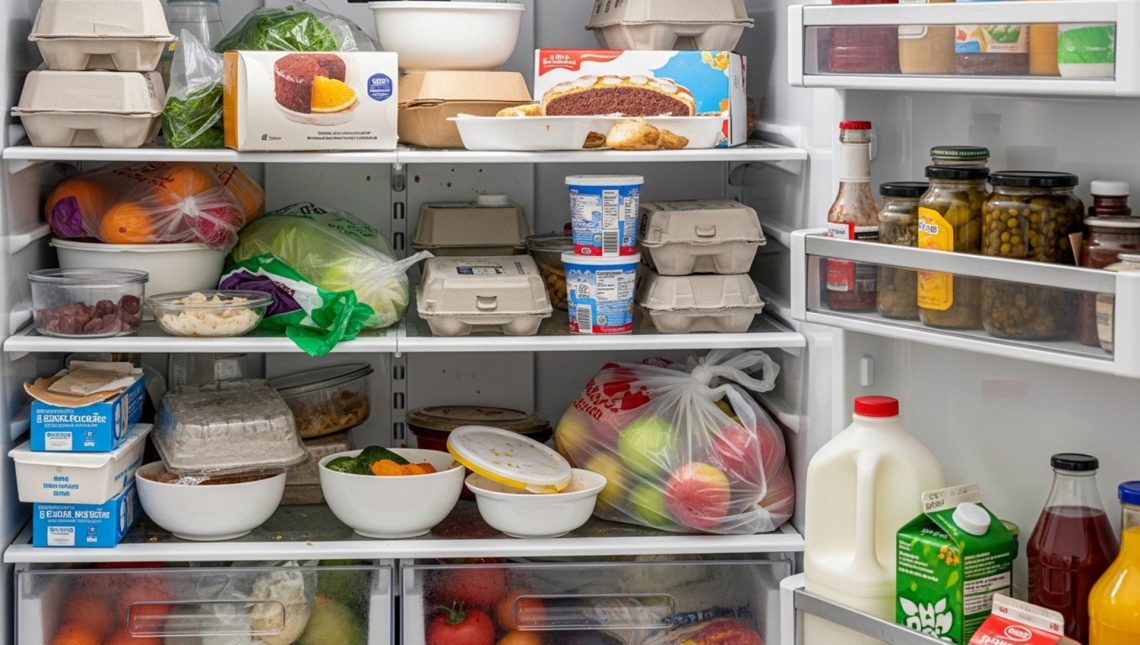
Grocery bills are high enough without the refrigerator quietly working against the food inside it. In many American kitchens, small fridge habits cause berries to mold faster, lettuce to wilt sooner, leftovers to get lost in the back, milk to sour early, and freezer items to become icy before anyone even notices. The frustrating part is that many of these errors seem benign: cramming drawers full after a grocery trip, storing eggs in the door, neglecting the humidity slider, jamming food against the back wall, or stashing leftovers without a date in sight. This guide explains the overlooked fridge mistakes that can quietly waste money, shorten food life and make a normal U.S. kitchen feel less organized than it should. When food spoils too fast, most people blame the grocery store. But the problem often begins once the bags hit the kitchen counter. Many American refrigerators are stocked with leftovers, fresh food, drinks, sauces, lunch for tomorrow and containers of food we’ll eat later. Such normal-looking clutter can quietly hide the foods that need to get attention first. When berries get buried, lettuce winds up in the wrong drawer, and leftovers slide behind a milk jug, grocery money can disappear one forgotten container at a time.
Stuffing the Fridge After a Grocery Run
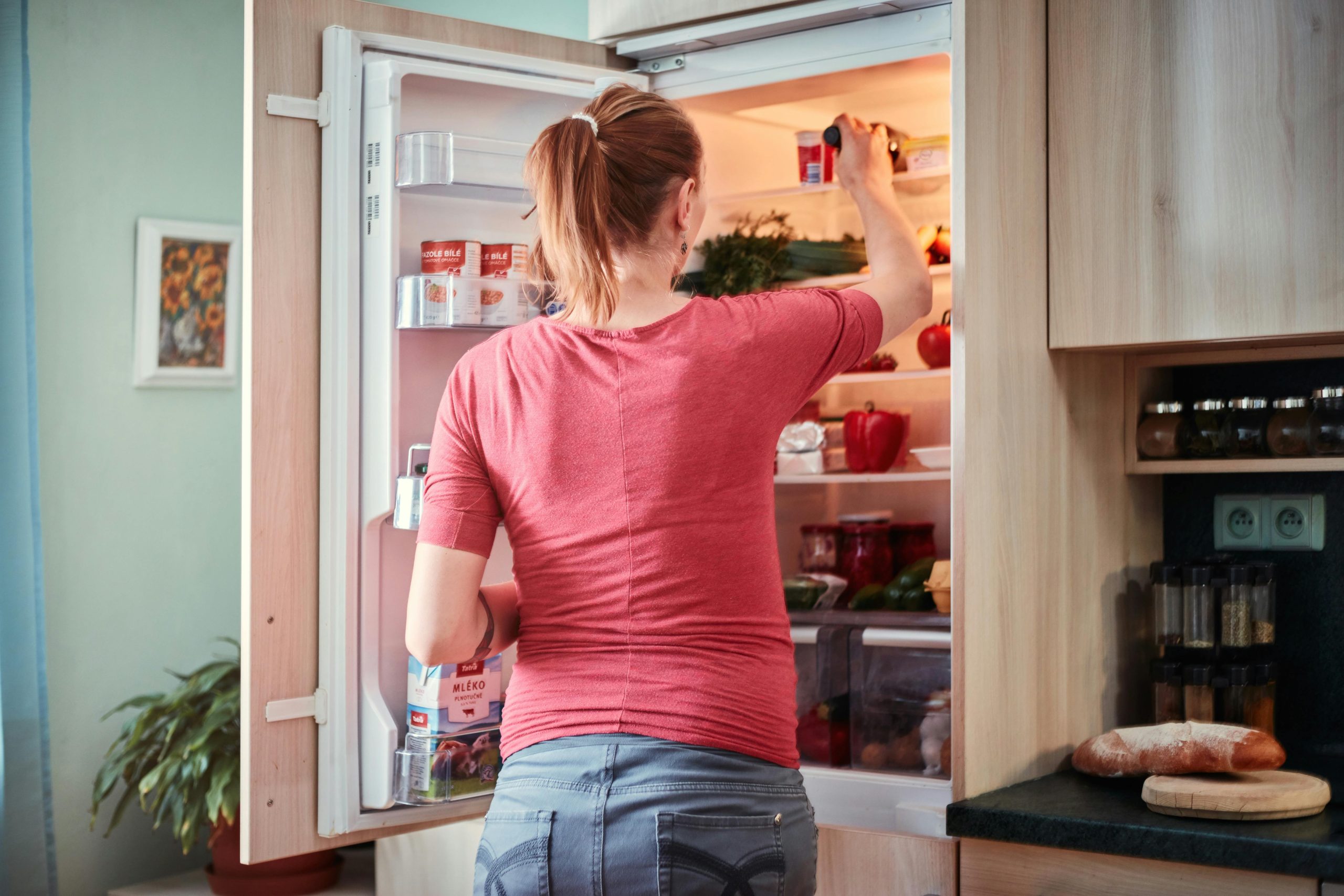
This looks like preparation but can subtly make waste. If you pack your shelves too tightly, cold air may not circulate as well around every item, and older food can get buried behind newer purchases. This means that strawberries bought on Monday might sit untouched behind a juice carton until they are no longer worth saving. The mistake often happens when people are in a rush unloading groceries. New stuff goes where it fits, old containers stay in the back, and no one does a quick ‘use this first’ check. A better habit is to leave little spaces between items and to pull old food forward before adding new groceries. It seems small, but it could keep food from getting lost in the back of the fridge.
Putting Milk and Eggs in the Door
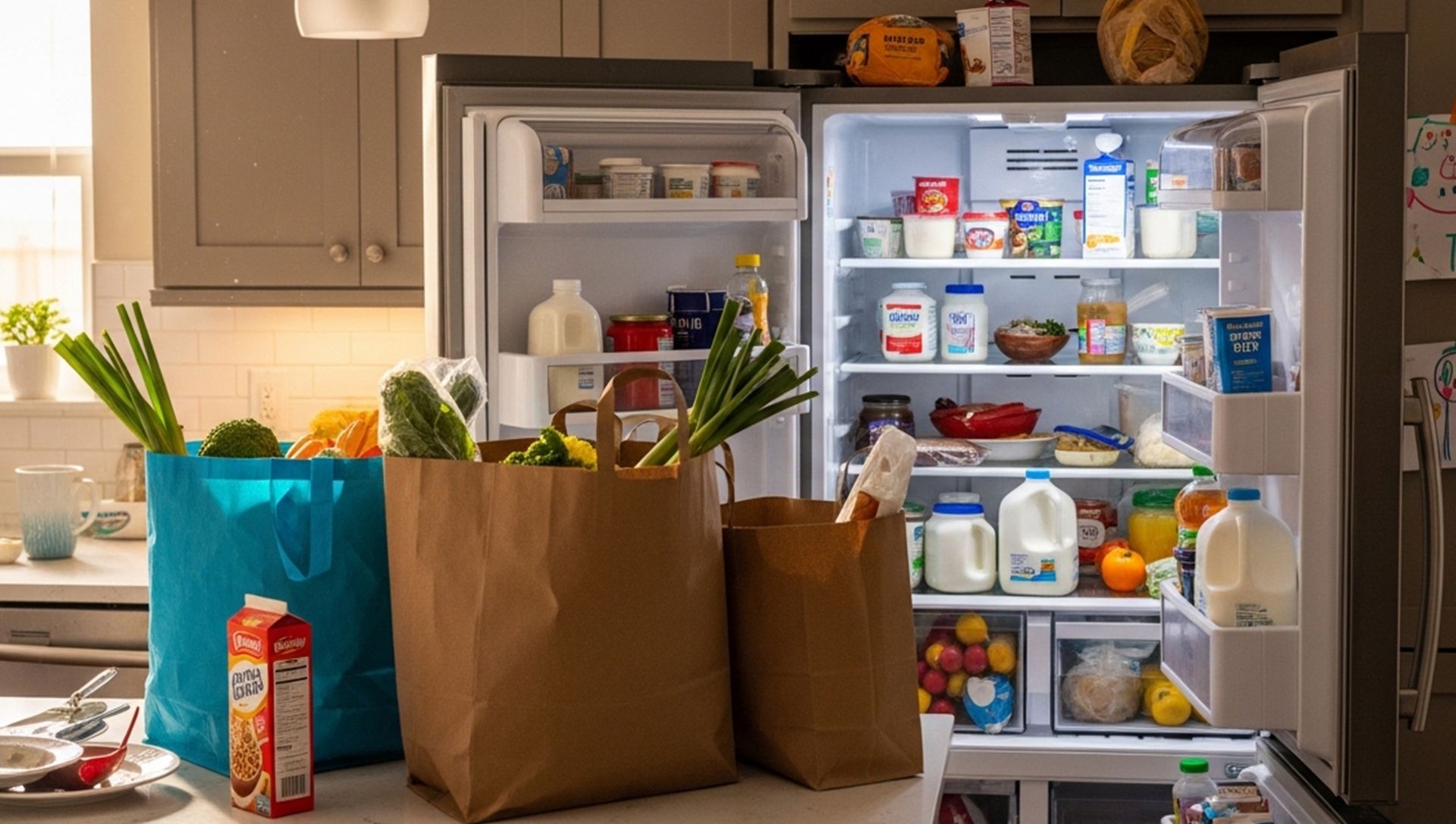
This feels normal, the door seems built for grab-and-go items. But the fridge door tends to be one of the warmest and most temperature-changing places because it opens and closes a lot throughout the day. In many American kitchens that door holds milk, eggs, creamer and other things people use often. The best place for more temperature-sensitive foods is usually on a main shelf towards the back or middle of the fridge, not the door. The door is best used for condiments, bottled sauces and items that can take more temperature change. Moving milk and eggs off the door could help keep them fresher for longer, especially in busy households where the fridge gets opened constantly.
Ignoring the Humidity Slider
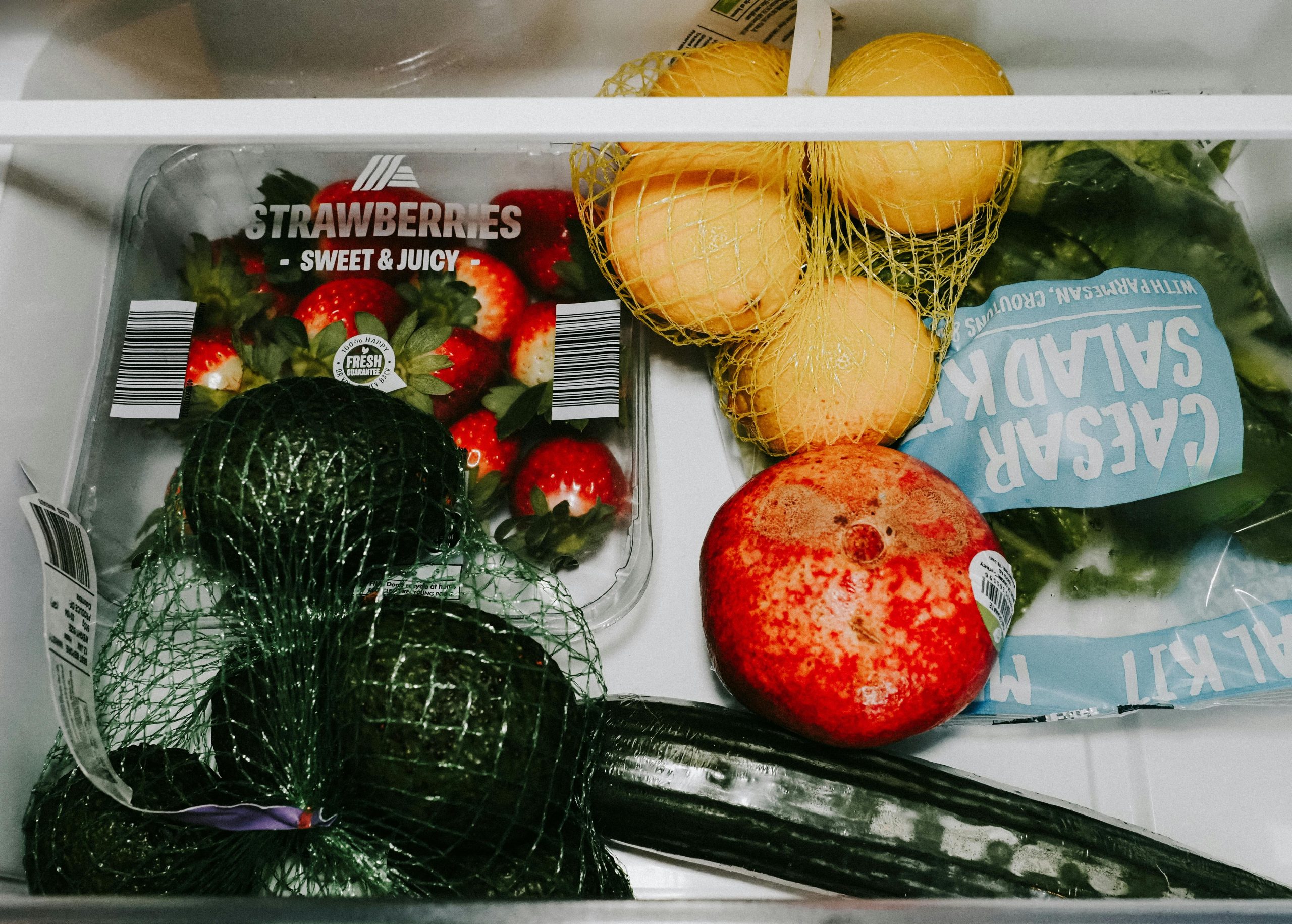
That little slider might seem useless until your produce begins to wilt or mold too early. Many fridge drawers are designed to handle moisture in different ways, yet many people leave the setting as it was for years. The result is that leafy greens, berries, apples and vegetables may all sit together under the same conditions even though they don’t always need the same environment. The clue is generally in how the food goes wrong. Lettuce that wilts too quickly may be losing moisture, and berries that mold too quickly may have too much trapped moisture. Being more intentional with the drawer settings can help: Leafy greens often like higher humidity, while fruits that release more gas and moisture often fare better at lower humidity. It’s not magic, but it does reduce the amount of produce bags that end up in the trash.
Washing Berries Before Storing Them
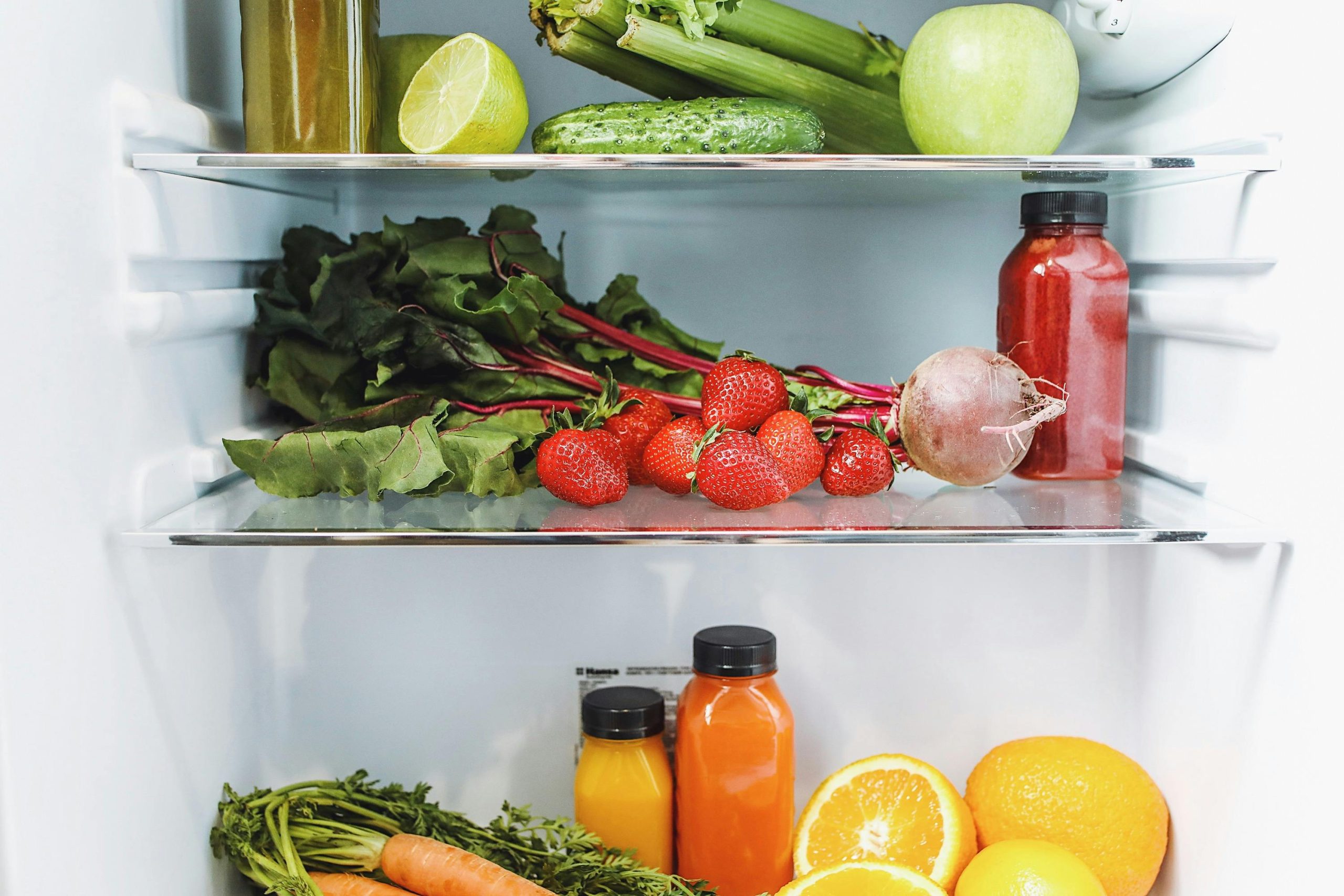
That sounds like a handy shortcut, especially after a big grocery trip. Many people rinse the berries right away and then they are ready for snacks, lunchboxes, smoothies or breakfast bowls. But keeping berries in the fridge wet can cause them to spoil faster than you would like. A better move is to wash berries just before eating, or dry them very well before storing. Even a small paper towel in the container can help absorb extra moisture in busy U.S. homes. We’re not trying to make food storage complicated, we’re trying to stop paying for fruit that gets fuzzy before anyone gets a chance to enjoy it.
Leaving Lettuce in the Original Bag Too Long
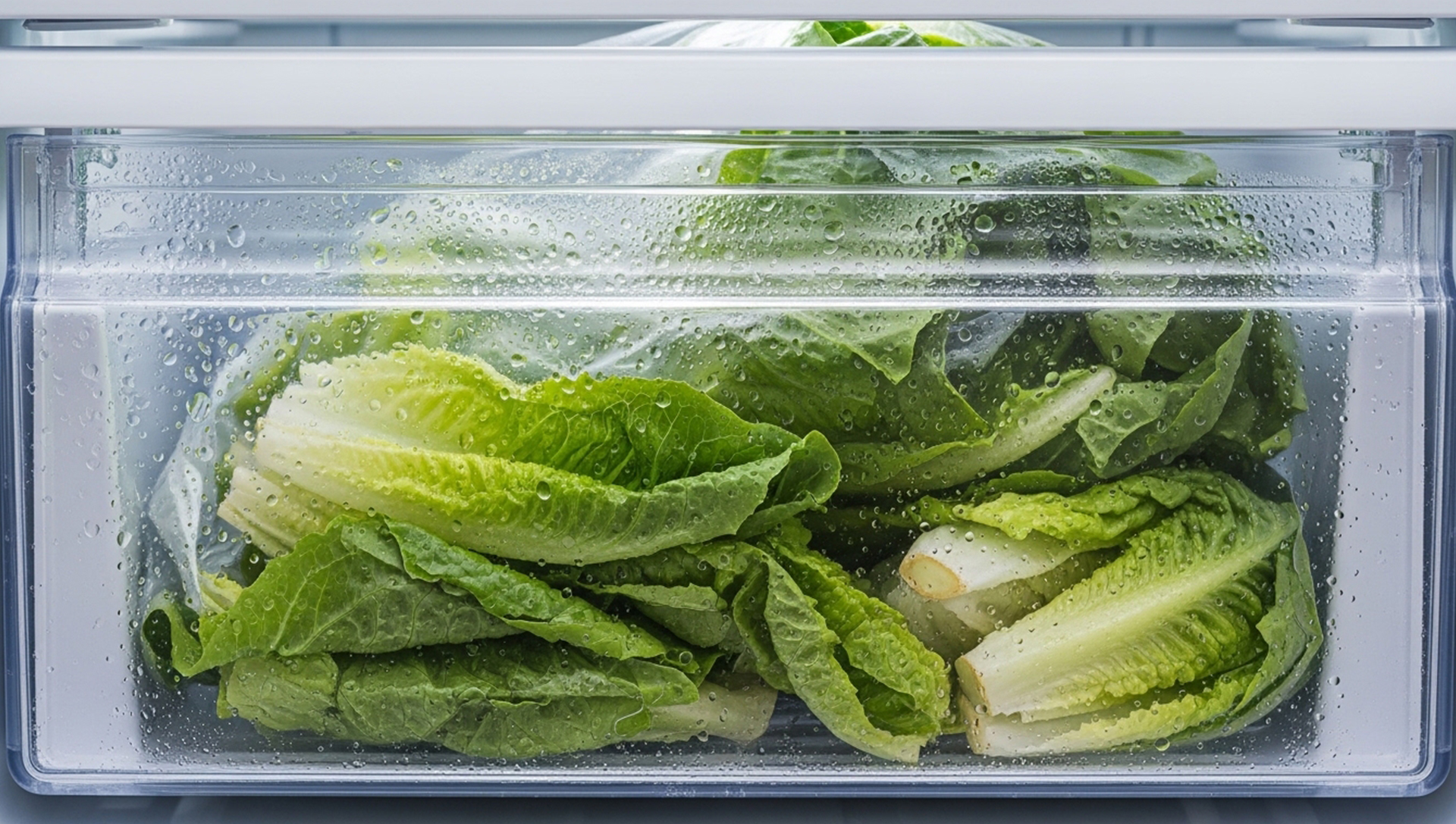
This is one of those grocery mistakes that seems harmless because the lettuce is already in a bag. Bagged greens are often tossed in the produce drawer after a grocery run and forgotten until taco night, salad night or sandwich prep. By then the bag may be damp inside, the leaves may be getting soft. The fix could be as simple as checking the bag before putting it away. If they’re too moist, you can put a dry paper towel in with them or transfer them to a better container to help them last longer. For families trying to stretch grocery money, saving even one bag of greens from early spoilage can make a difference over a month.
Pushing Food Against the Back Wall
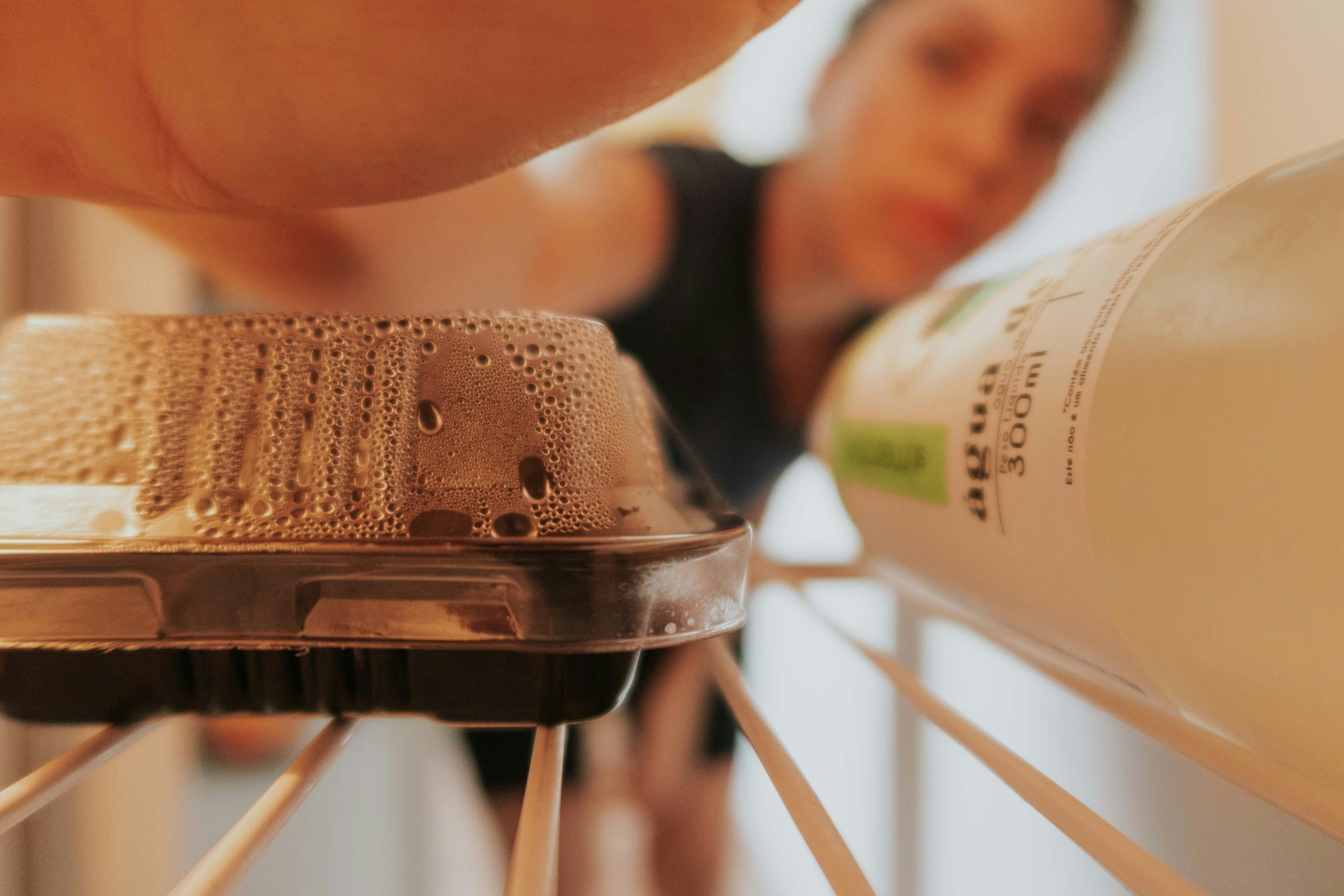
This little habit can produce annoying trash. In some fridges, the space near the back wall can be colder than the front, especially if the air flow is uneven or the shelves are full. Delicate foods might freeze slightly, sauces may thicken, produce can be damaged, small containers can be missed. Usually the problem begins when people push everything back to make space. Better to leave a little breathing room and keep the most perishable things in sight. A fridge doesn’t have to look like a magazine photo, but it does need enough order that food isn’t hiding in cold corners until it becomes trash.
Storing Leftovers Without a Date
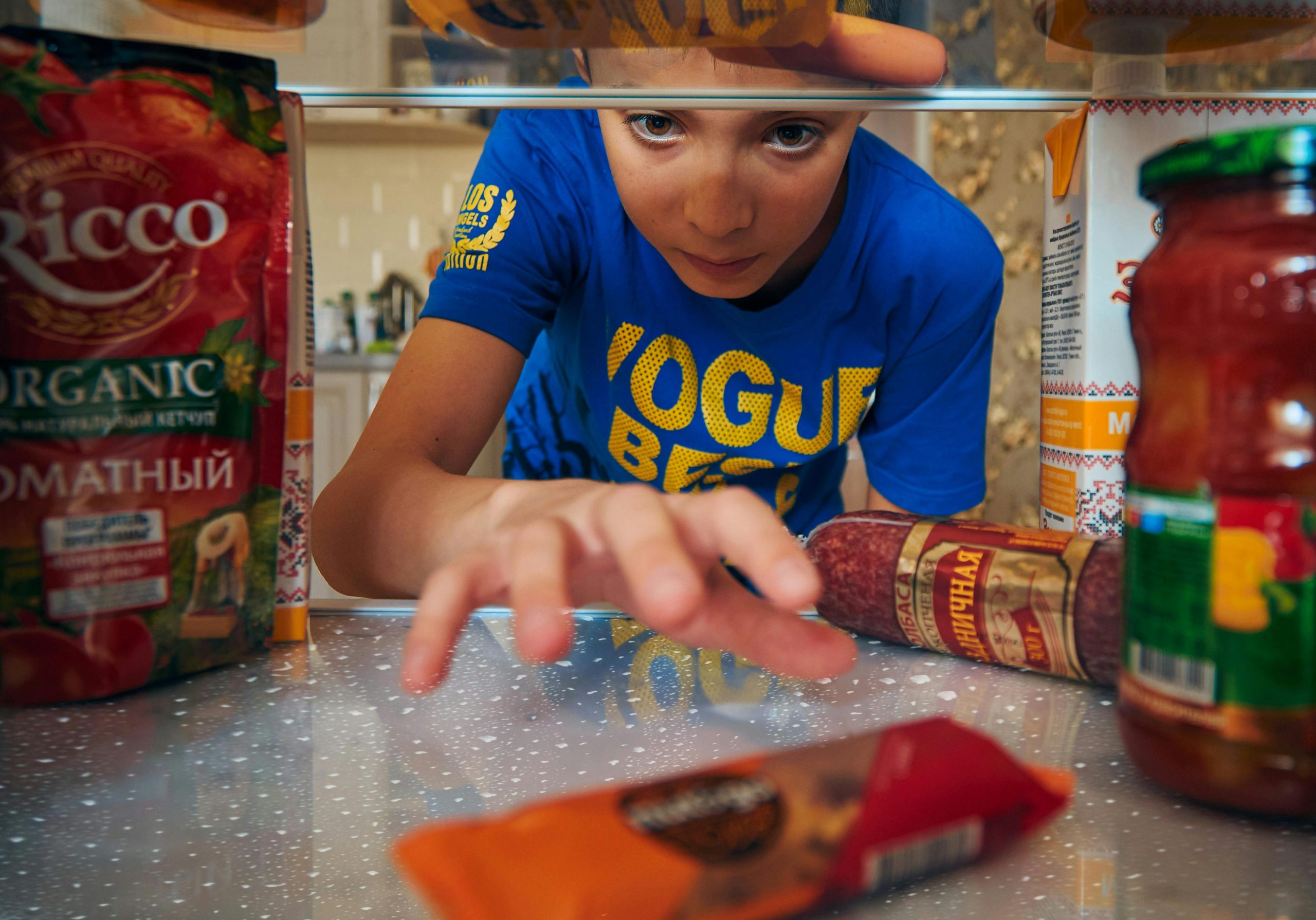
That’s where the grocery money quietly disappears after dinner. Good intentions lead to putting leftovers in containers but without a date, it’s a guessing game. Was that pasta from two nights ago or last week? Has the chicken been eaten already? Or is it behind the orange juice? It’s a useful habit to date leftovers, or to have an obvious “eat first” spot. No fancy containers or full-blown organizing system required. Leftovers become ready meals, not mystery boxes to be thrown away, with a piece of tape, a marker, a shelf of its own.
Letting the Freezer Burn Become Normal
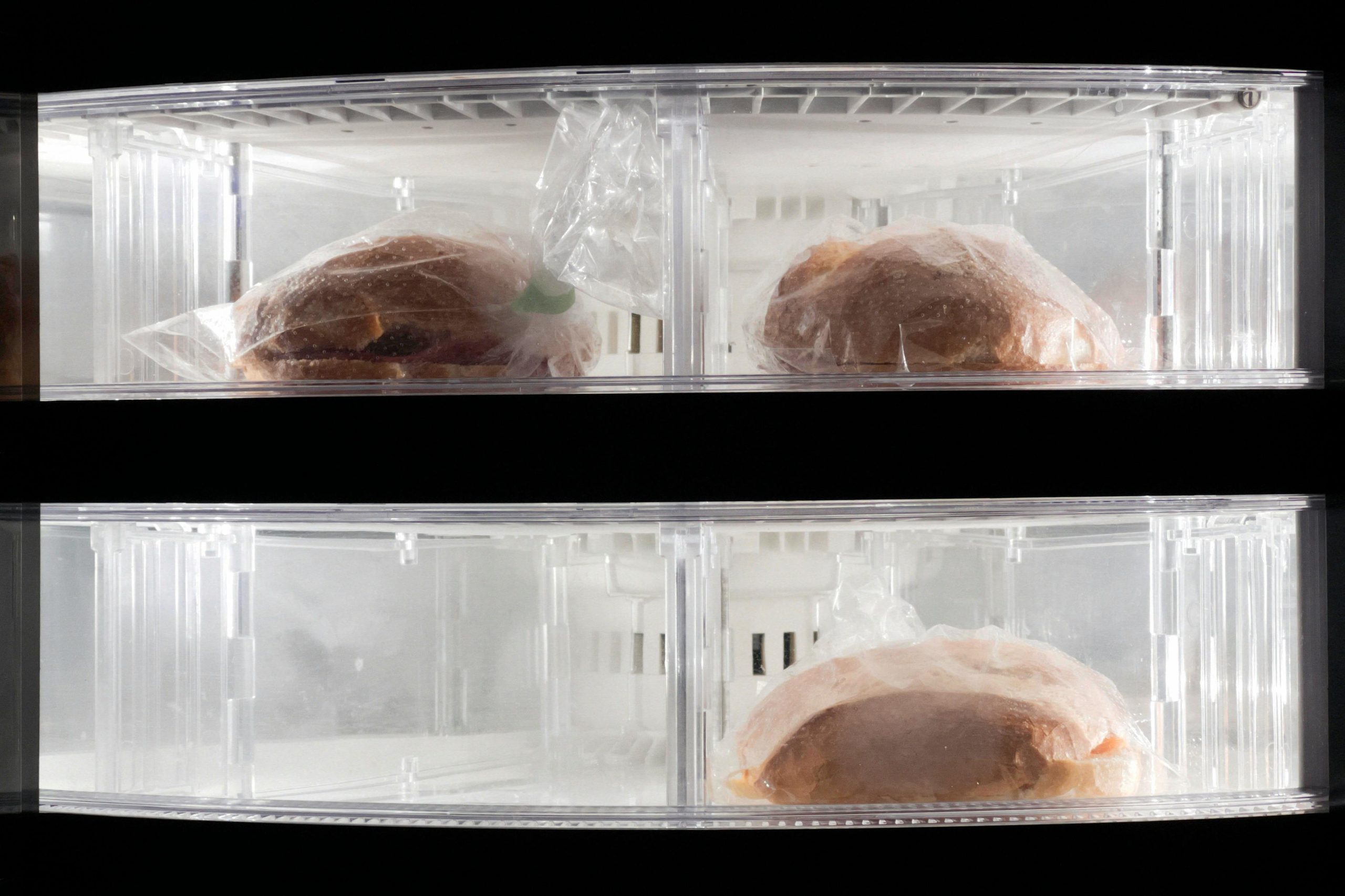
It feels like an invisible mistake. Because frozen food feels protected. But half-closed bags, loose plastic wrap, and containers with too much air in them can leave food icy, dry, or unpleasant. Even if the food is not necessarily unsafe, the texture can be such that nobody wants to eat it. A better habit is to squeeze the air out of freezer bags, seal packages tightly and label what you put in the freezer. In many American homes, the freezer is often the permanent storage space for sale items, leftovers and meals “just in case.” That saves money, if the food still looks good when it comes back out.
Keeping the Fridge Too Warm or Too Cold
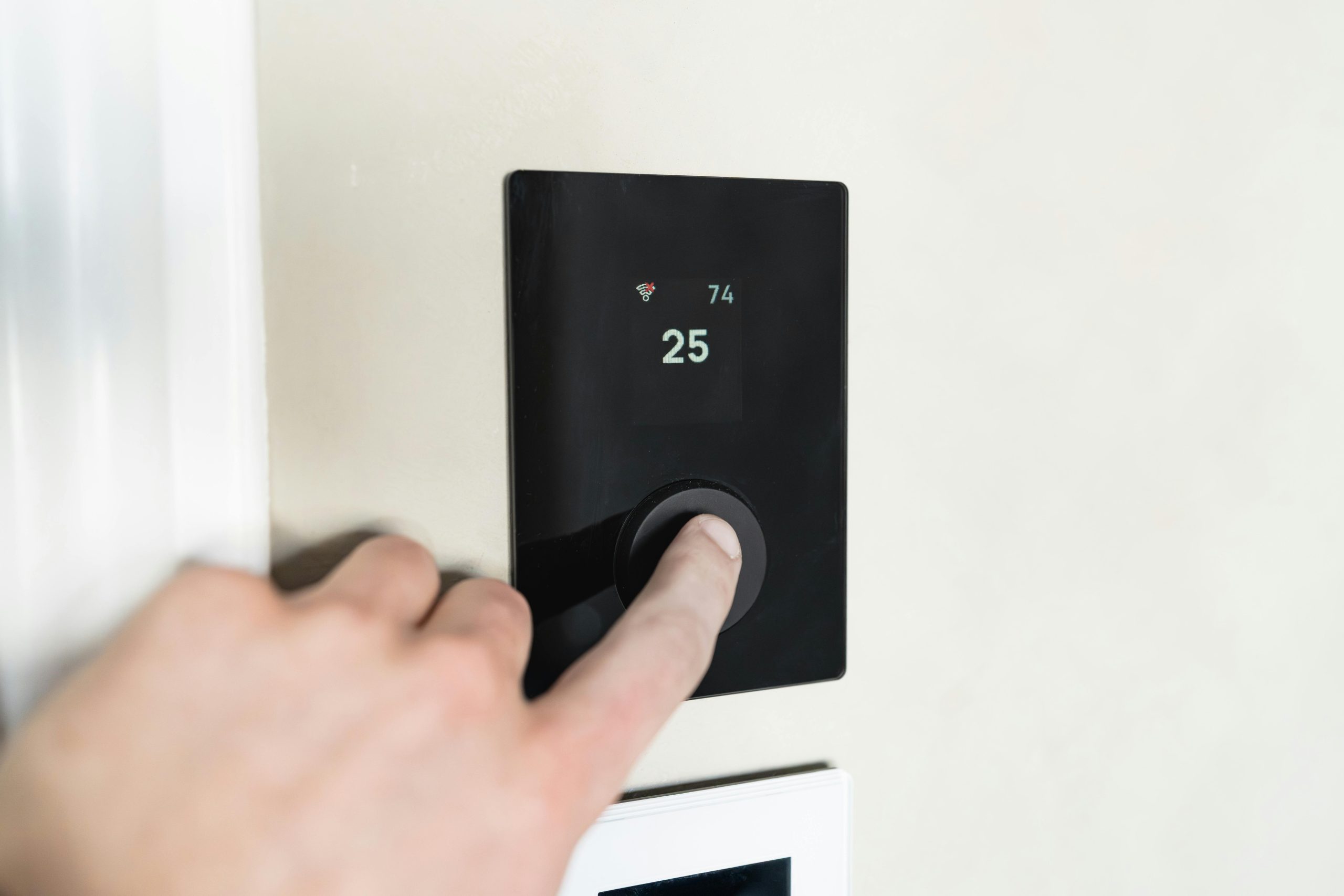
It’s a hidden setting that hardly anyone ever checks. If the refrigerator is too warm, food will spoil faster. Produce can freeze, drinks can freeze, and delicate foods will lose quality if it’s too cold. Either way, the grocery bill can absorb the hit before the problem appears obvious. The key thing to do is check the actual fridge temperature, and not just trust the dial number. Most fridges have settings like 1 to 5 but those numbers don’t always tell the whole story. A basic fridge thermometer can be used to see if the appliance is staying in a range that is practical for everyday food storage.
Forgetting the “Eat First” Zone
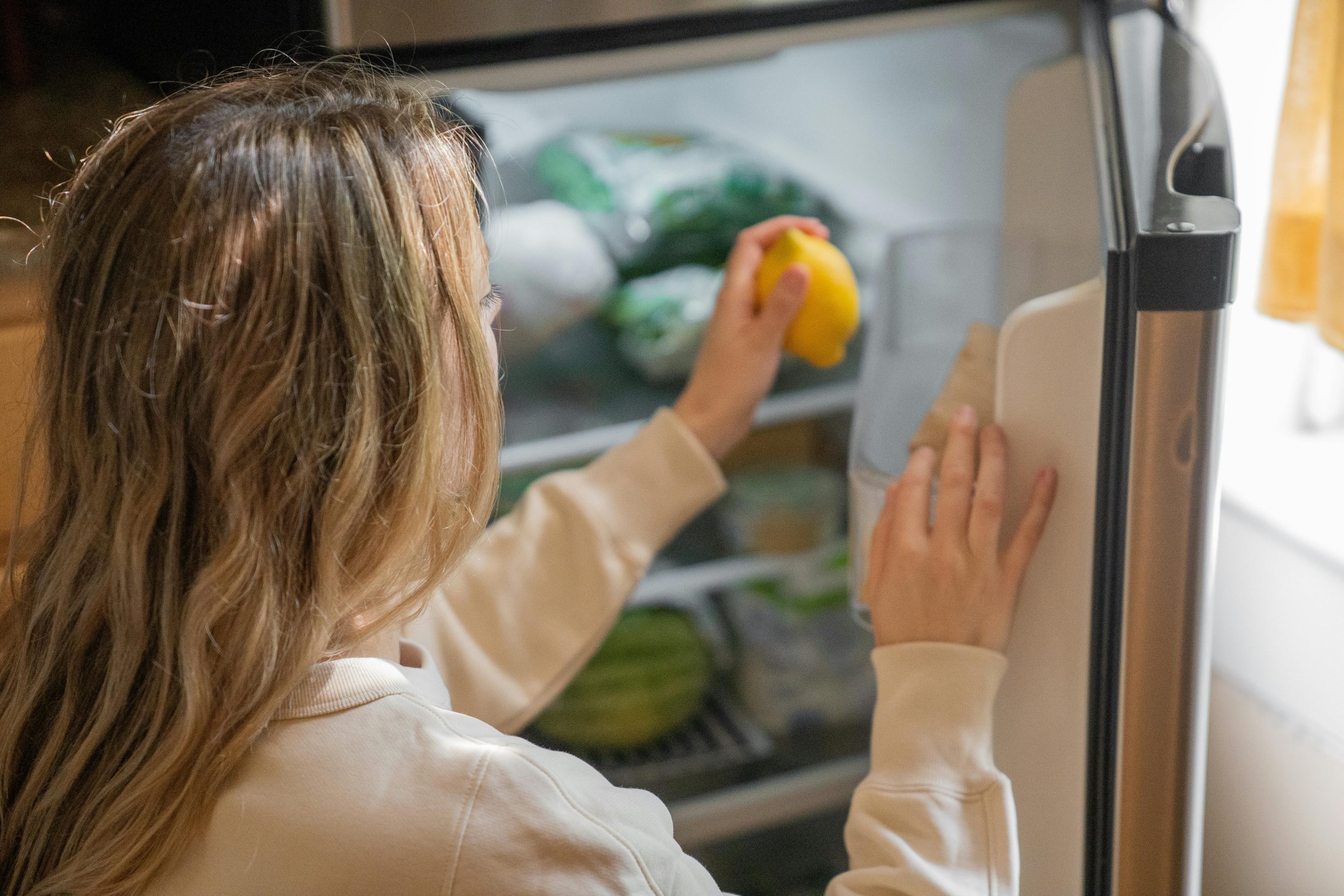
This little system could change a home’s food use. Without a visible priority area, the newest groceries are often eaten first with the older items falling back. That’s how an almost-finished yogurt, half a bag of spinach, or cooked chicken can get forgotten about until it’s no longer useful. The best “eat first” zone is simple and clear. Place it at eye level, preferably in a transparent container, and put anything that needs attention in there before it becomes waste. This is especially helpful after a grocery run, before a school week or ahead of a busy weekend when food decisions are made fast.
Ignoring Small Spills and Sticky Shelves
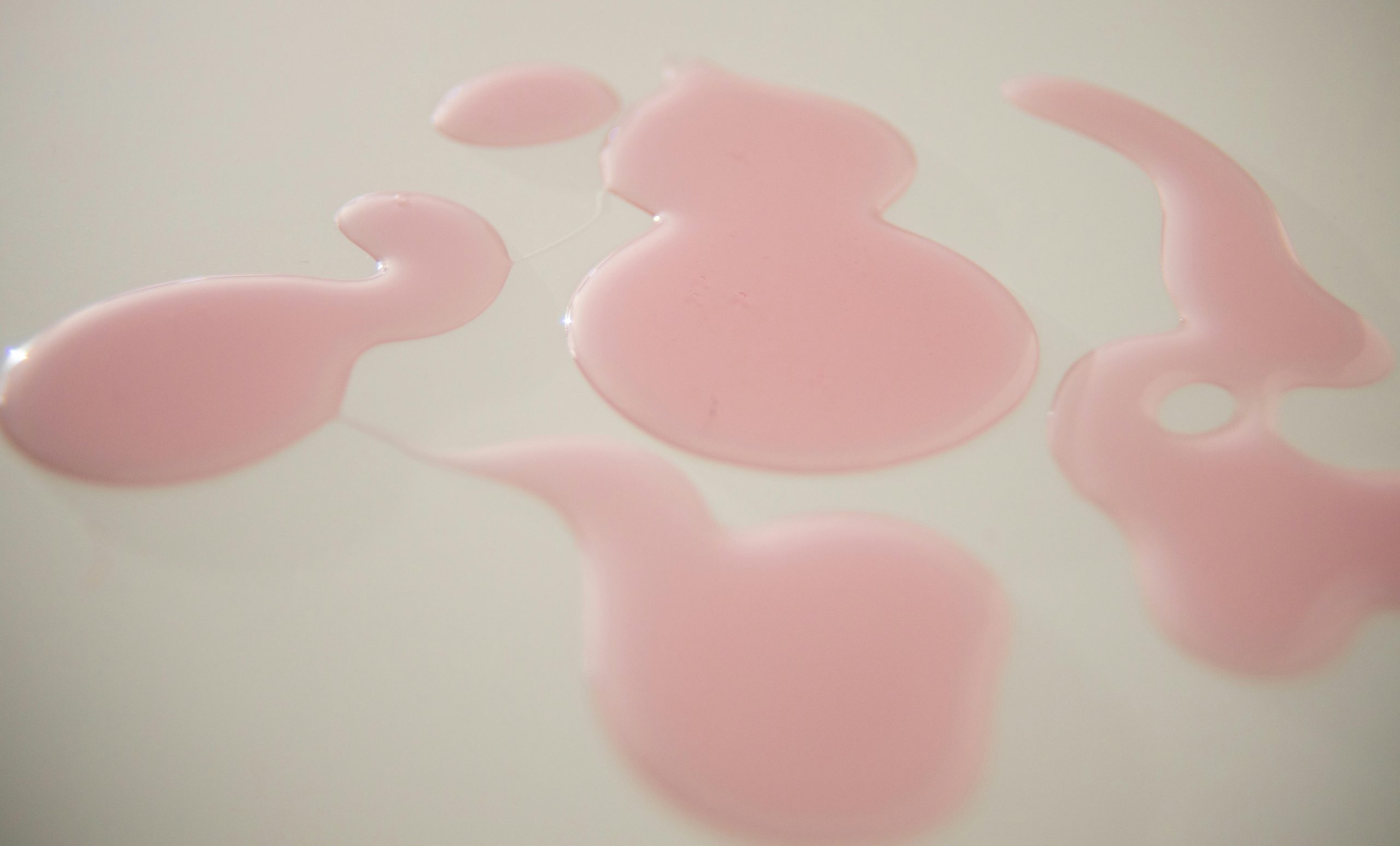
This may appear as a cleaning issue, but it can turn into a food-waste issue as well. Sticky shelves make it a pain to handle containers, they hide small leaks and make people push things around instead of trying to see what’s actually in them. A messy fridge is easier to ignore. A quick wipe after a spill makes the fridge more user-friendly. It also makes the leaks from produce containers, meat packages, jars or leftover boxes more noticeable. The cleaner the shelf, the more easily you can see what needs to be eaten, moved or tossed before it spreads mess to other groceries.
Buying More Before Checking What Is Already There
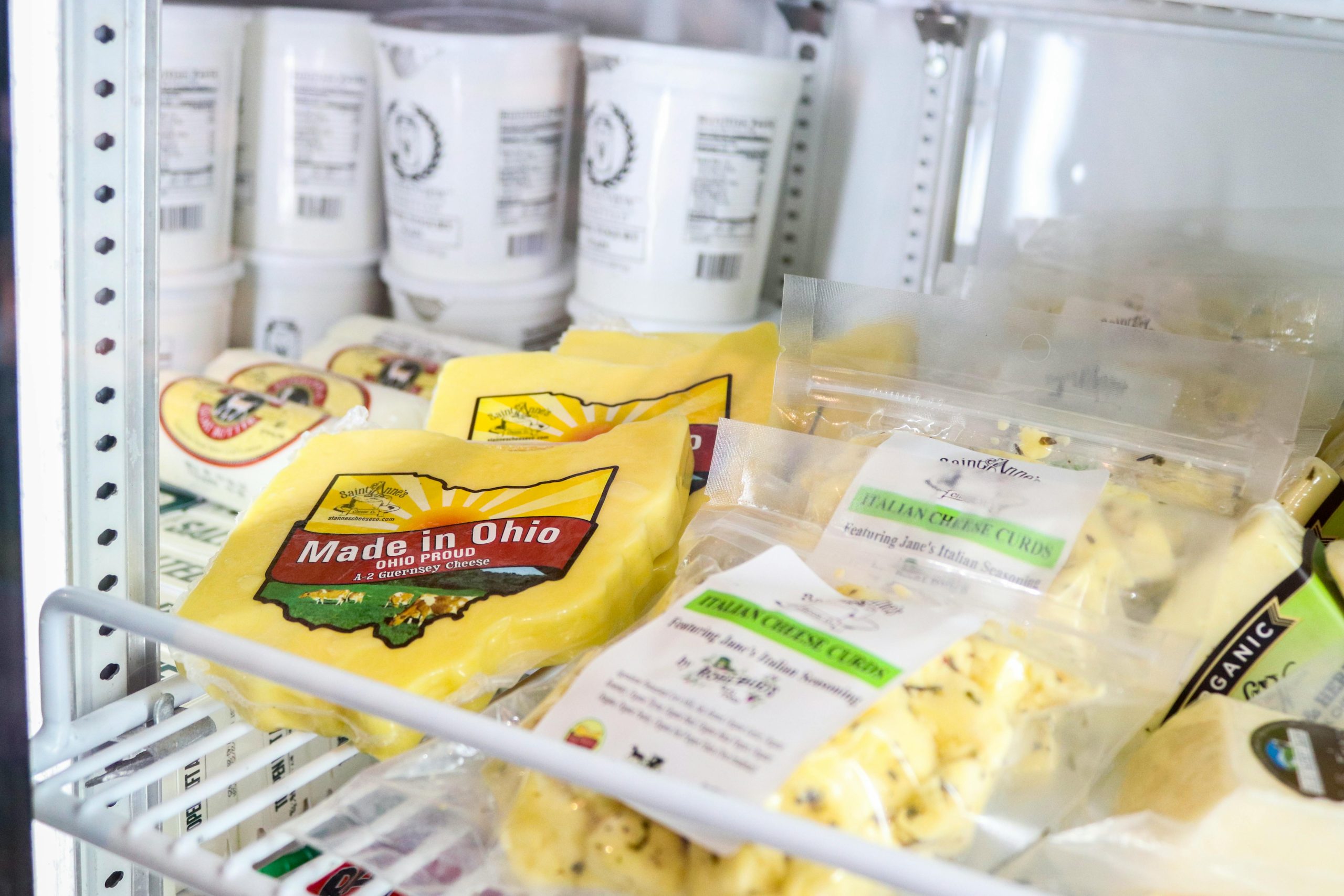
This error often happens before anyone leaves the driveway. Without a quick fridge check, it’s easy to buy another sour cream, another bag of carrots, another pack of cheese or another bottle of dressing. Then the older one is pushed off and dies quietly. The simple money-saving habit is to take one picture of your fridge before shopping, or checking the shelves when making your list. This can save you from buying things twice, and help meals get built around what you’ve already paid for in the typical American kitchen. Your cheapest groceries are often the ones you already have in your fridge.
The Fridge Habit That Saves the Most Money
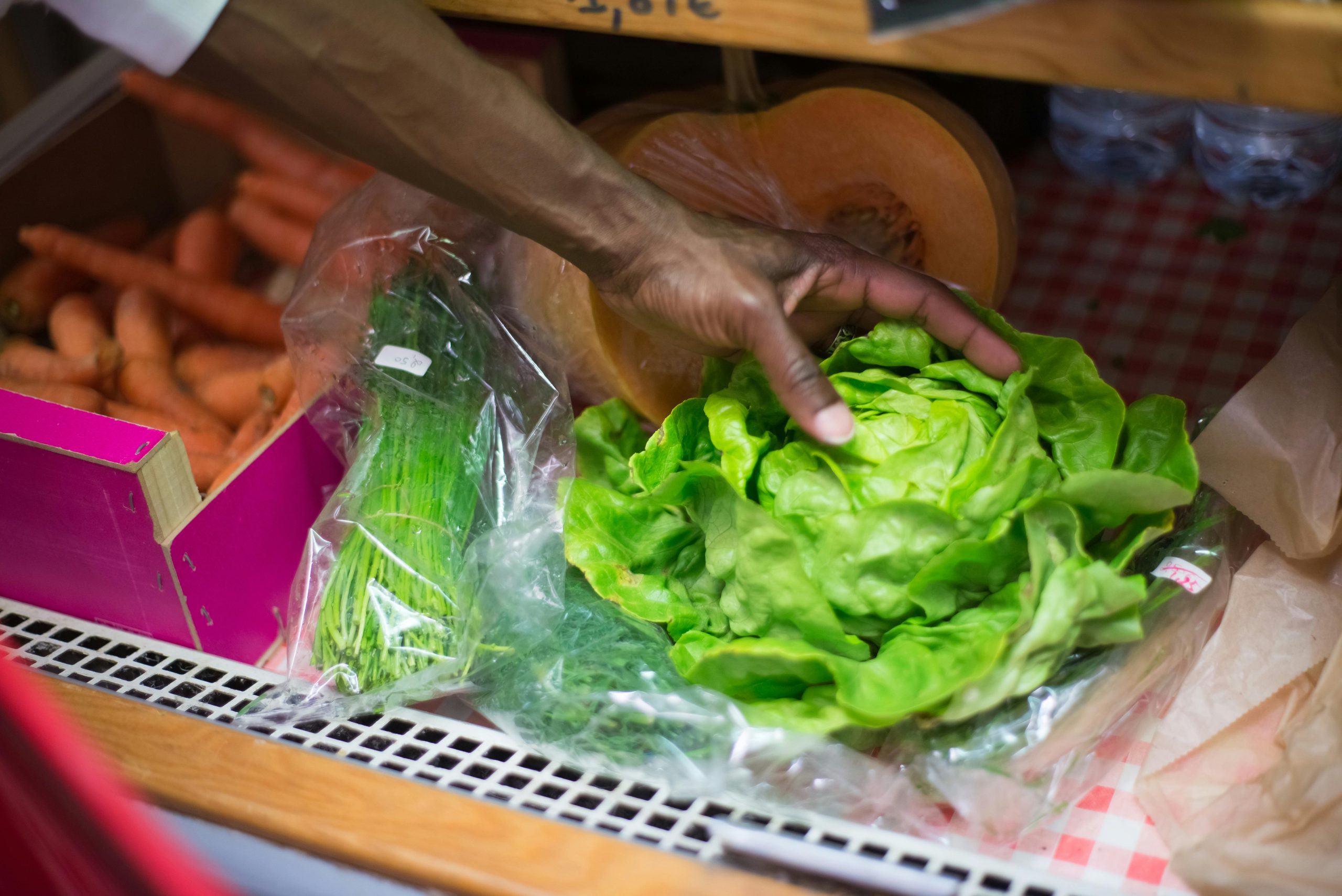
The biggest payoff isn’t a perfect fridge. It’s a fridge that knows what needs attention before money goes in the trash. Small habits like moving older food forward, using crisper drawers more intentionally, keeping milk off the door, drying produce, sealing freezer bags and labeling leftovers can extend the life of a normal grocery run. The real warning sign isn’t always bad food. There are weeks when the same pattern repeats: slimy greens, forgotten leftovers, icy freezer bags, sour milk, moldy berries and duplicate groceries nobody meant to buy. And once those patterns are visible, the fridge can transform from a mere storage box to one of the most straightforward ways to safeguard grocery money in an American kitchen.