Some cleaning habits feel helpful, but in many U.S. homes they can quietly leave rooms looking dull, dusty, streaky, or unfinished. The problem is usually not that people are lazy—it is that small routines around the kitchen, bathroom, laundry room, floors, vents, and counters can spread grime, trap odors, or make surfaces look worse right after cleaning. From using too much product to ignoring hidden dust zones guests notice fast, these common mistakes can make a home look dirtier than it really is. Here are the overlooked cleaning habits worth fixing before they waste more time and effort. Most people notice a messy home, but they often miss the cleaning habit that made it look that way. A counter can be wiped, a floor can be mopped, and a bathroom mirror can be sprayed, yet the room may still feel dull or unfinished. In many U.S. homes, the issue is not always dirt itself. It is the way cleaning products, cloths, tools, and routines leave behind streaks, dust, film, odors, or clutter that keeps the home from looking freshly cleaned.
Using Too Much Cleaner on Counters and Floors
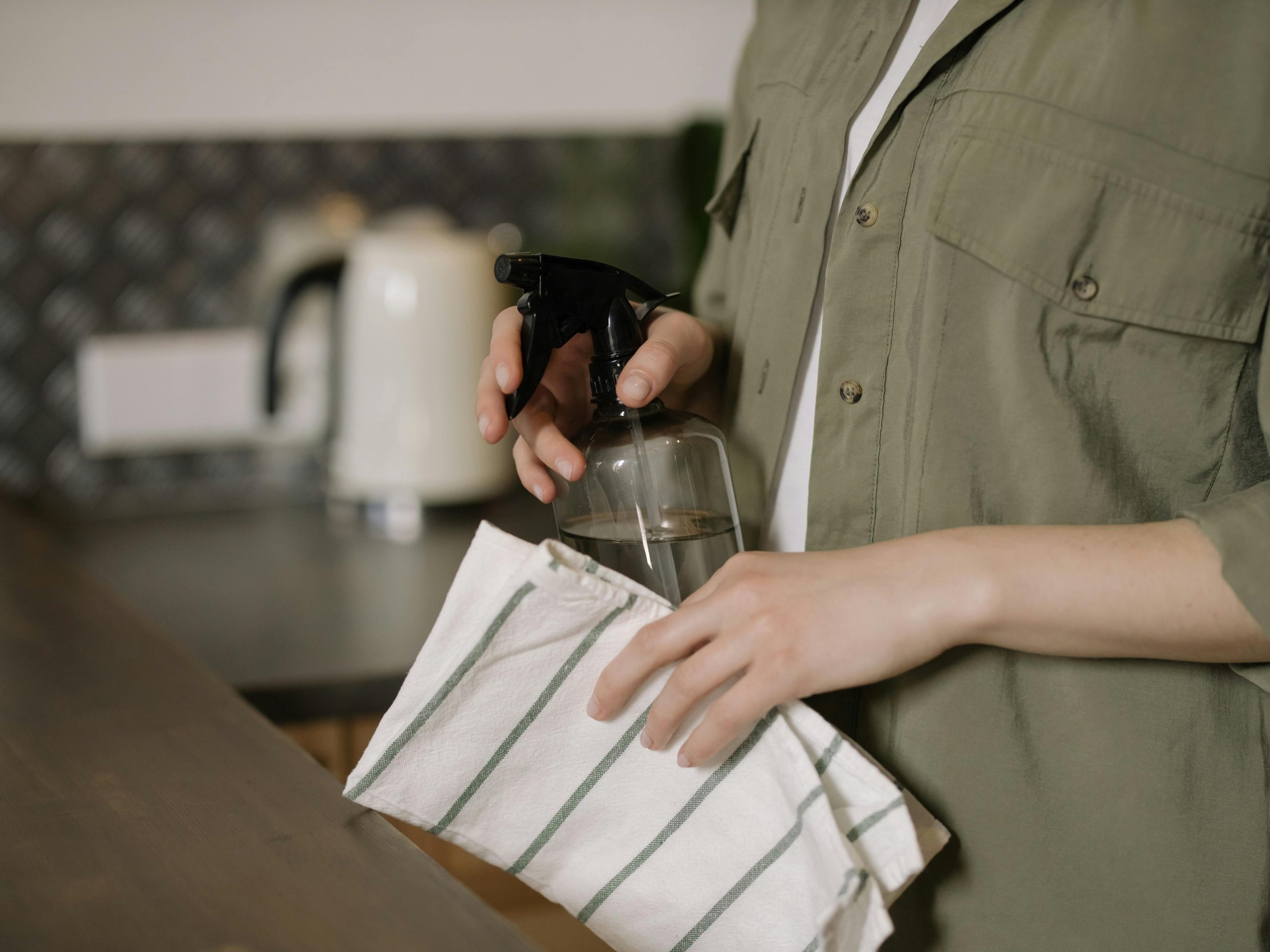
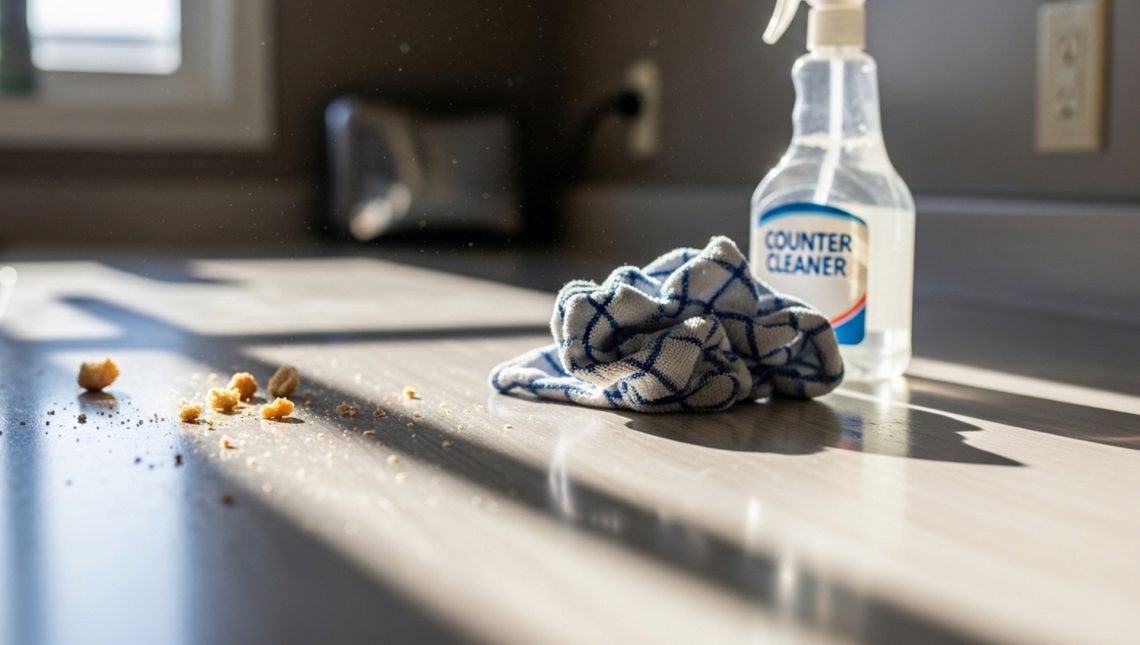
This mistake feels productive because more spray looks like more cleaning power. But using too much product can leave a sticky or cloudy layer behind, especially on laminate counters, sealed stone, tile floors, and shiny surfaces. That residue can catch dust faster, show fingerprints more clearly, and make the whole room look like it was cleaned in a hurry. The better fix is usually simpler than people expect. Use the amount the product label recommends, wipe with a clean cloth, and do a second pass with a lightly damp cloth if the surface still feels tacky. In many American kitchens, that one change can make counters look cleaner without adding more scrubbing.
Wiping With a Dirty Cloth
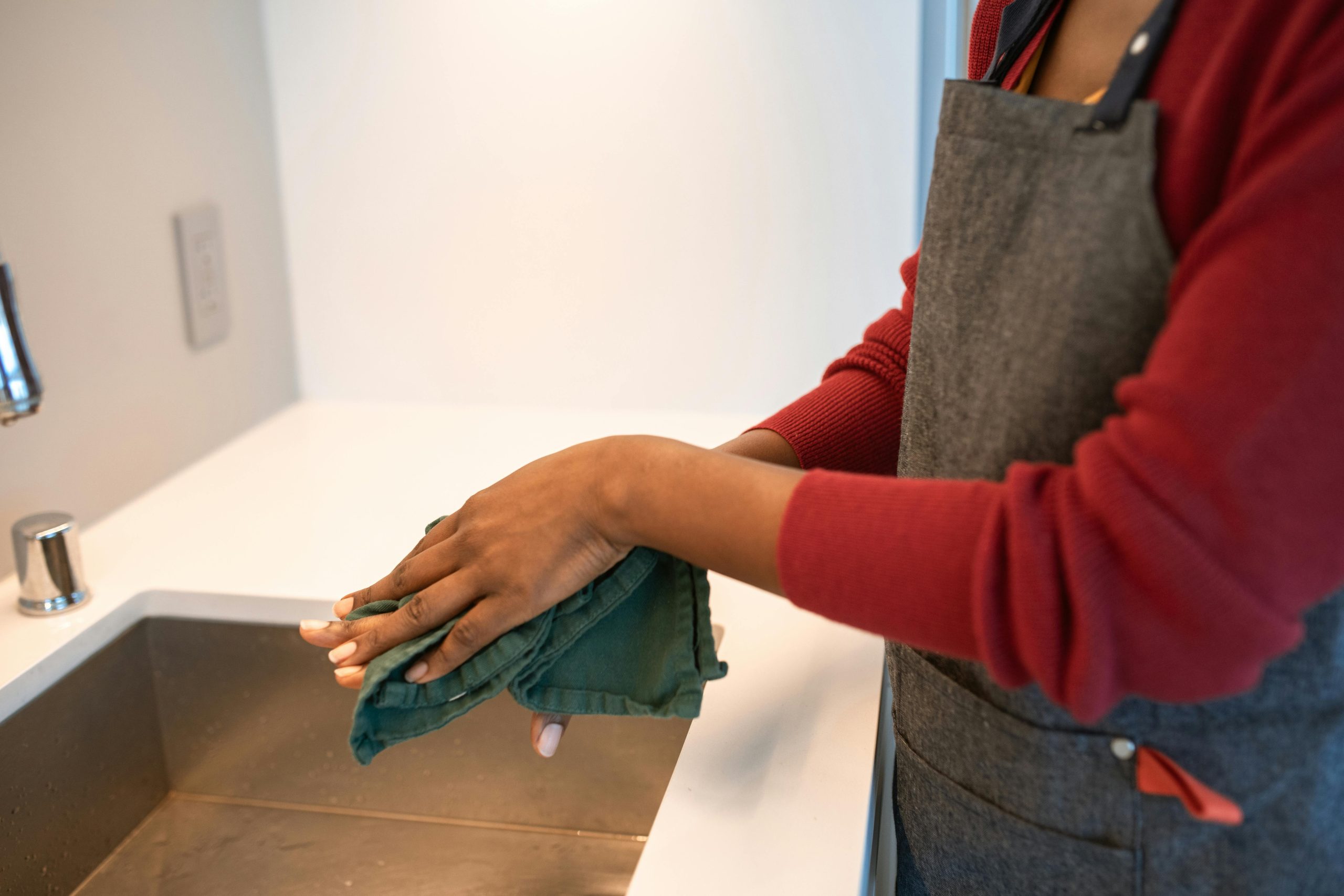
This looks harmless until the surface dries and the streaks appear. A cloth used on the stovetop, then the counter, then the table can carry grease, crumbs, and cleaner residue from one area to another. Instead of removing dirt, it spreads a thin film that makes the home look dusty or greasy again. The clue is usually the smell and feel of the cloth. If it feels slick, smells sour, or leaves a trail, it is no longer helping. Keeping separate cloths for glass, counters, bathrooms, and floors can make a home look cleaner fast, especially before guests come over.
Forgetting the Baseboards
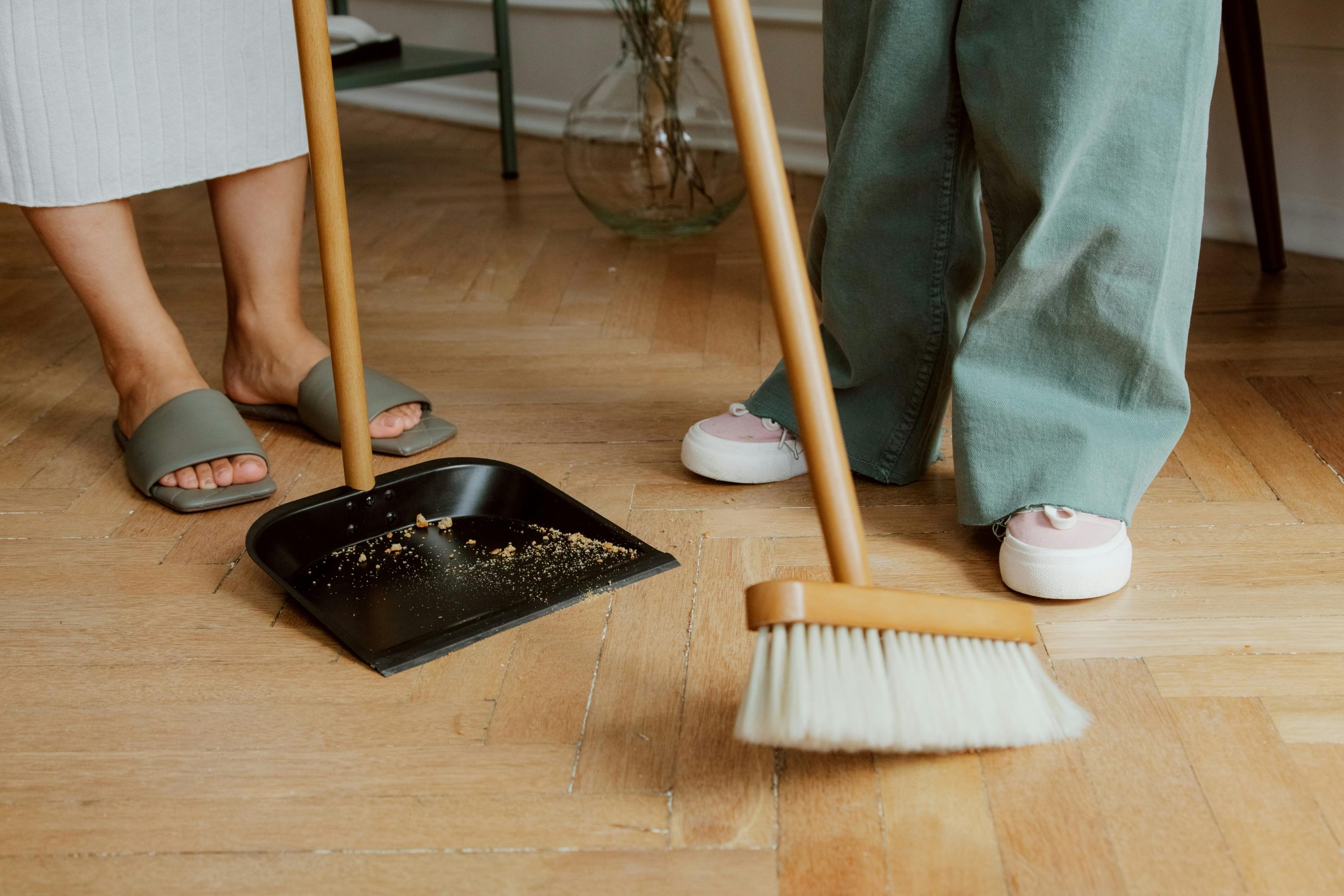
Most people clean the middle of the room and forget the edges that frame it. Baseboards collect pet hair, lint, shoe dust, and grime from vacuum movement. When they are dusty, even a freshly mopped floor can look neglected because the eye catches the dirty border first. This is one of those details guests may notice without realizing why. A quick vacuum-brush pass or damp microfiber wipe along the baseboards can make a hallway, bathroom, or living room look more finished. In older homes and rental apartments, this detail can matter even more because scuffed trim already draws attention.
Spraying Glass Cleaner Directly Onto Mirrors
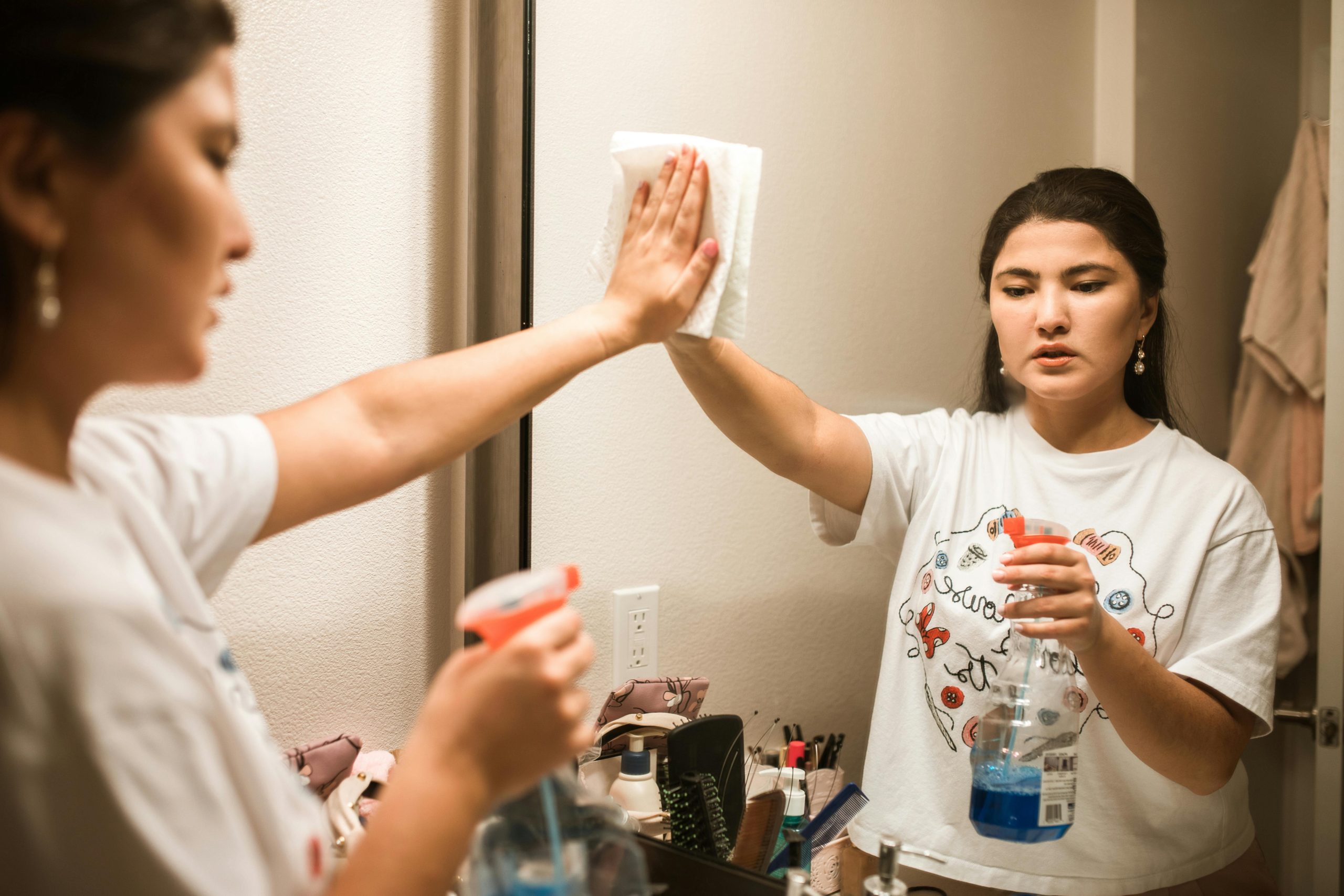
This mistake makes bathrooms look dirtier right after cleaning. Spraying cleaner directly onto a mirror can cause liquid to run down into edges, collect dust, and leave streaks when it dries unevenly. Under bright bathroom lights, those streaks can become the first thing people see. A better habit is to spray the cloth instead of the mirror. Then wipe in steady passes with a clean microfiber cloth. In suburban bathrooms, powder rooms, and guest bathrooms, a streak-free mirror can make the whole room feel cleaner even if nothing else changed.
Ignoring Dusty Vents
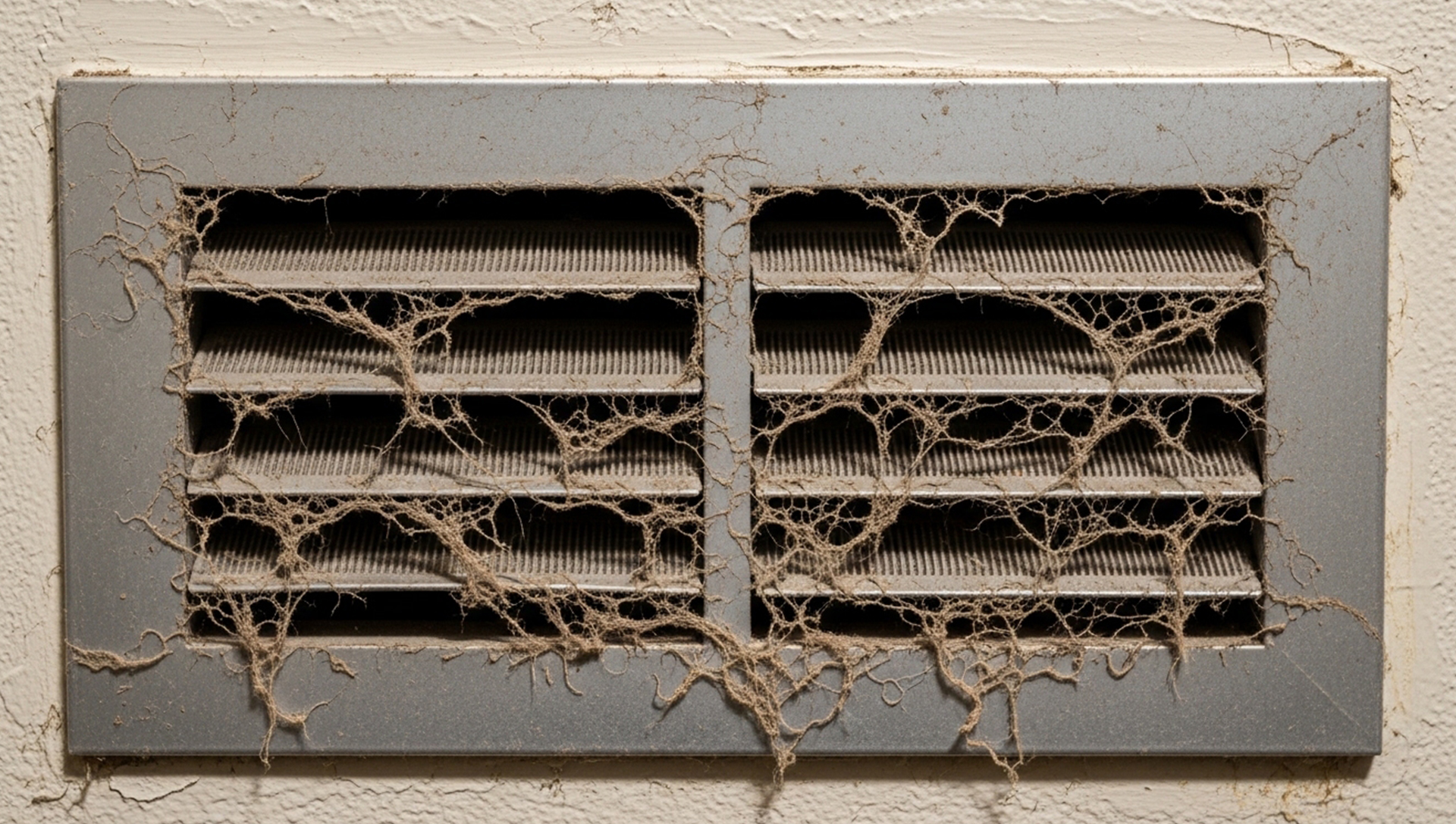
The problem often starts above eye level. HVAC vents, bathroom fans, and return grilles collect dust that can make a room look older, duller, and less cared for. Even when the floor is clean, a dusty vent can signal that the room has not been fully maintained. This small sign can also make fresh cleaning feel wasted. Dust around vents may fall onto nearby surfaces or gather quickly on walls and trim. Carefully vacuuming vents with a brush attachment and wiping the edges can improve the look of bedrooms, hallways, bathrooms, and living rooms.
Mopping Before Vacuuming Properly

What looks like a shortcut can sometimes create more work later. If crumbs, pet hair, and dust are still on the floor, a mop can drag them into streaks, corners, and grout lines. The floor may smell freshly cleaned but still look messy once the water dries. The order matters more than people think. Vacuum or sweep thoroughly first, especially under cabinets, around the fridge, near the kitchen island, and along entryways. In many U.S. homes with pets, kids, or heavy foot traffic, skipping that step can make floors look dirtier than before.
Letting the Trash Area Stay Sticky
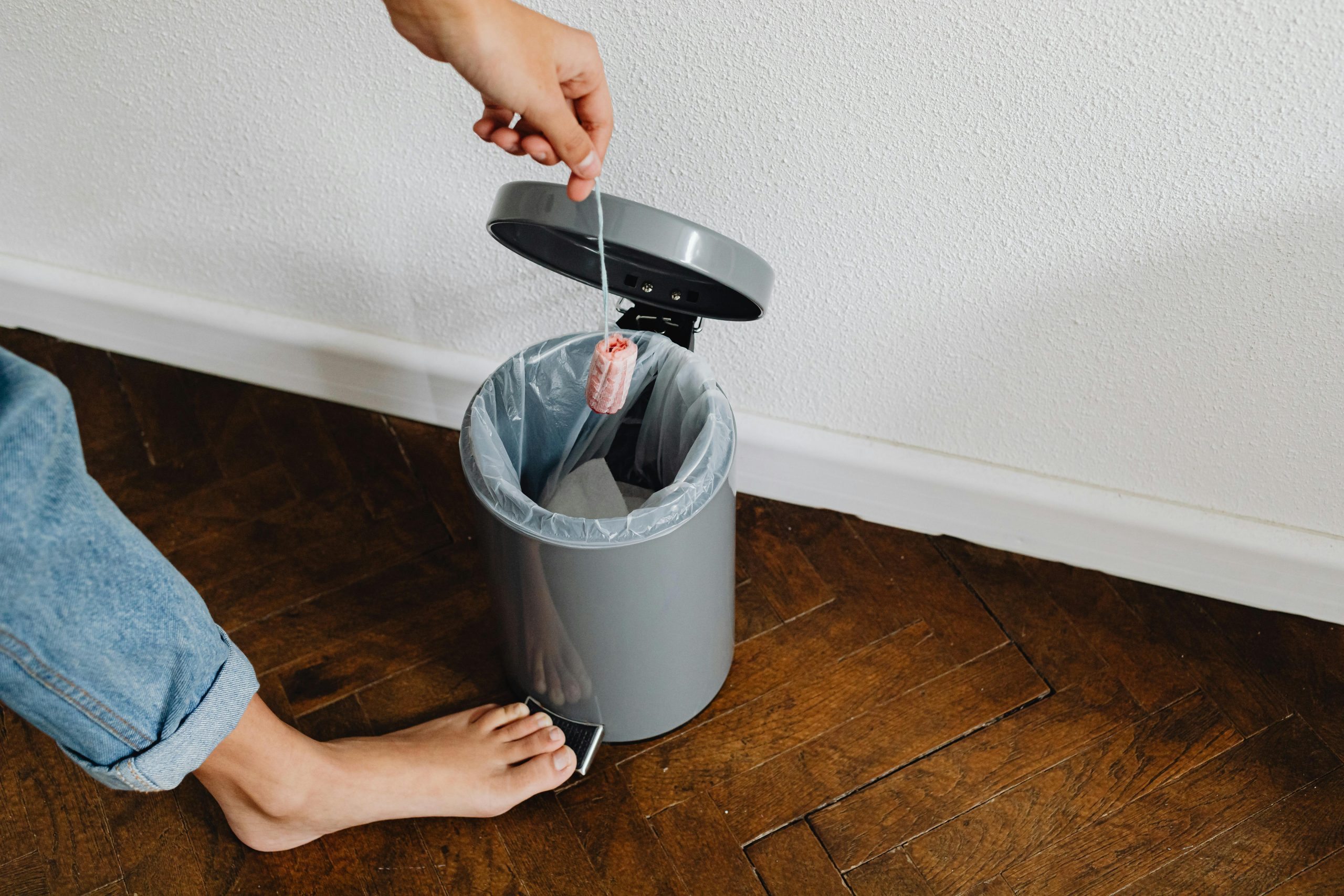
This is one of the fastest ways a kitchen can look dirty even after counters are wiped. The trash area collects drips from food containers, crumbs from packaging, and smudges from hands pushing the lid open. If it stays sticky, the whole kitchen can feel less fresh. The fix is not just taking out the bag. Wipe the lid, the rim, the floor around the bin, and the wall or cabinet beside it. Around garages, pantries, and back doors, this detail can also reduce that “something smells off” feeling that people notice but cannot place.
Cleaning Around Clutter Instead of Moving It
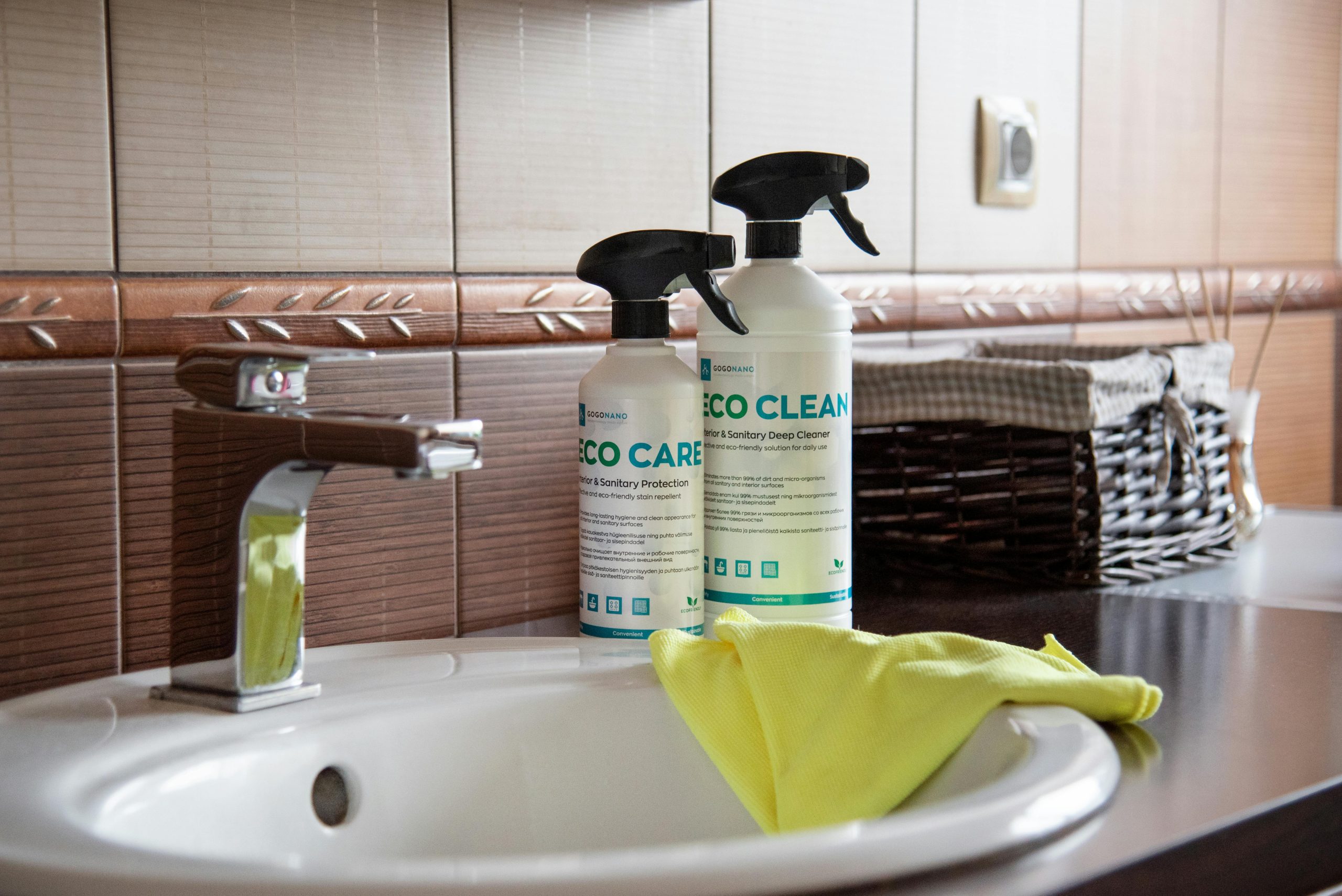
This habit saves a few seconds but leaves the biggest visual clues behind. When people wipe around soap bottles, coffee makers, spice jars, toothbrush cups, or small appliances, dust rings and sticky outlines remain. Those outlines make the space look dirty even if most of the surface is clean. A tiny reset can change the entire look of the room. Move items, wipe underneath, then place back only what needs to stay out. In small homes and rental apartments, this also makes counters feel bigger because fewer objects are fighting for attention.
Forgetting the Dishwasher Filter
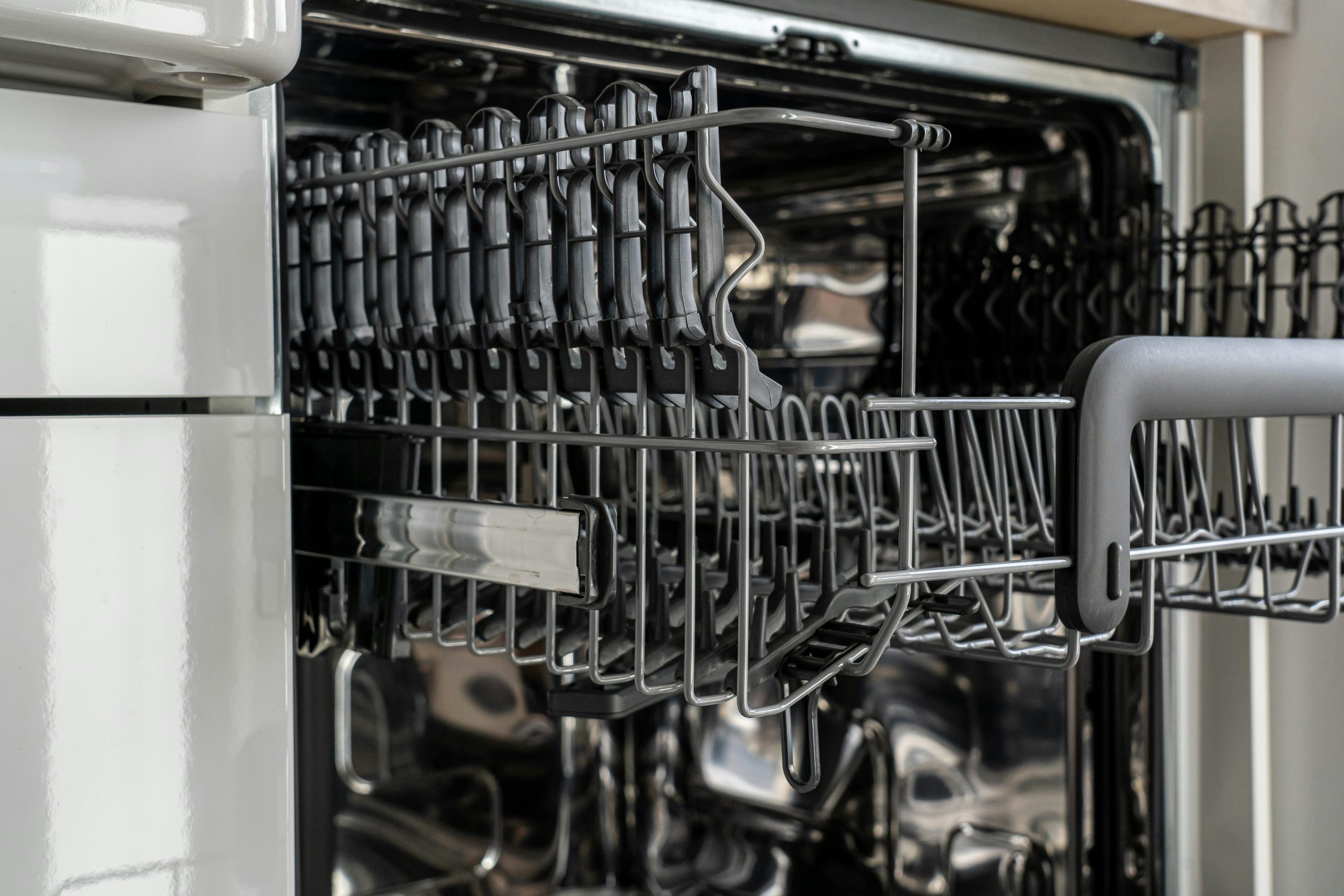
The clue is often on the dishes, not inside the machine. If glasses look cloudy, plates smell faintly stale, or small bits keep showing up after a cycle, the dishwasher filter may need attention. Many people clean the sink but forget the hidden part doing the dirty work. This is a common overlooked zone in busy kitchens. Checking the appliance manual and rinsing the removable filter when needed can help the dishwasher work more effectively. It can also keep the kitchen from feeling dirty when dishes come out looking less than fresh.
Leaving Bathroom Fan Dust Alone
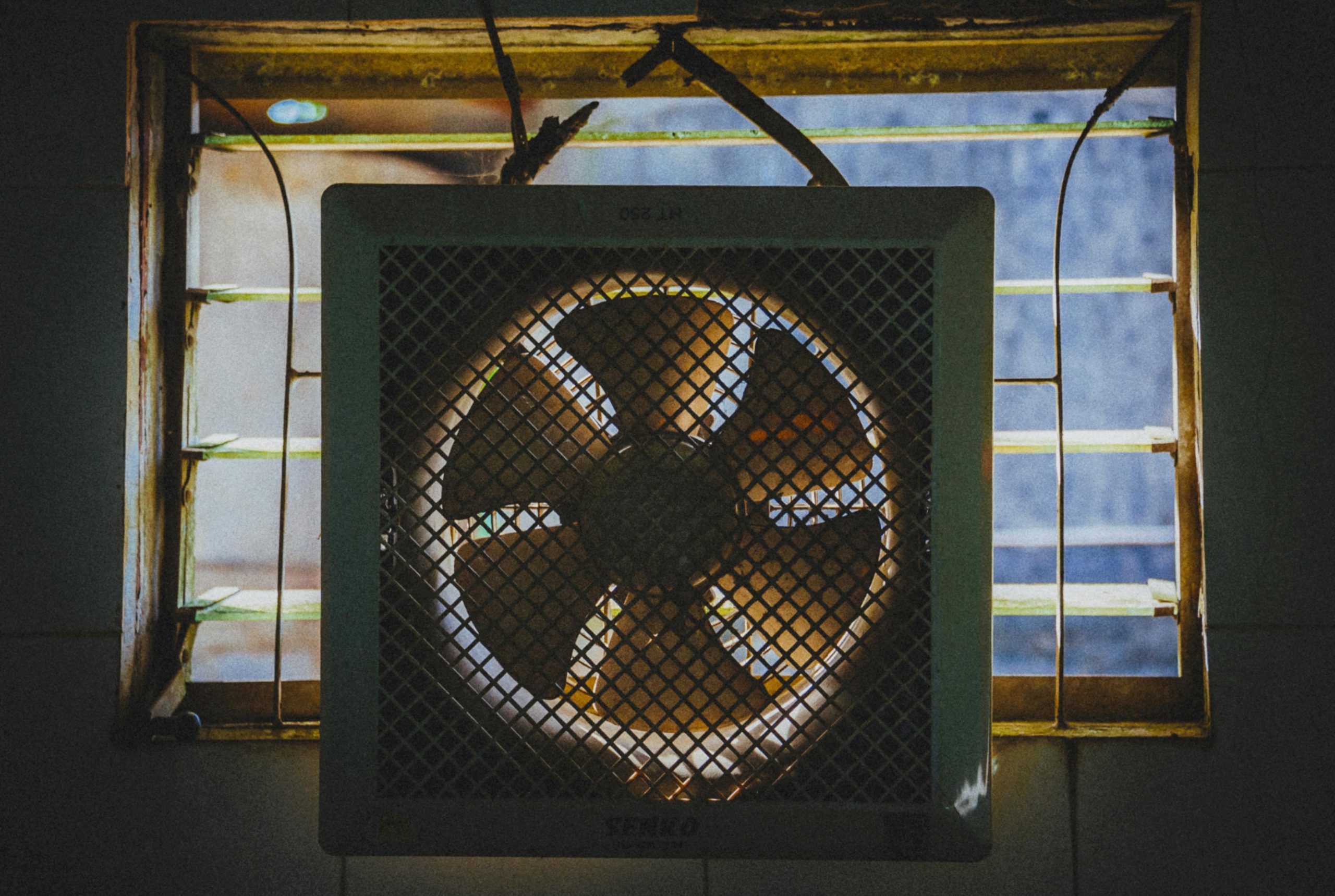
This small ceiling detail can make a bathroom look older and less clean. Bathroom fans pull in moisture, lint, powder, and dust. Over time, the cover can look gray and fuzzy, especially under bright bathroom lights. The problem is easy to overlook because people usually clean sinks, mirrors, toilets, and tubs first. But a dusty fan cover sits above all of it like a sign the room was only partly cleaned. A careful vacuum or wipe, following safe appliance handling, can make the bathroom look sharper right away.
Using the Same Sponge Too Long
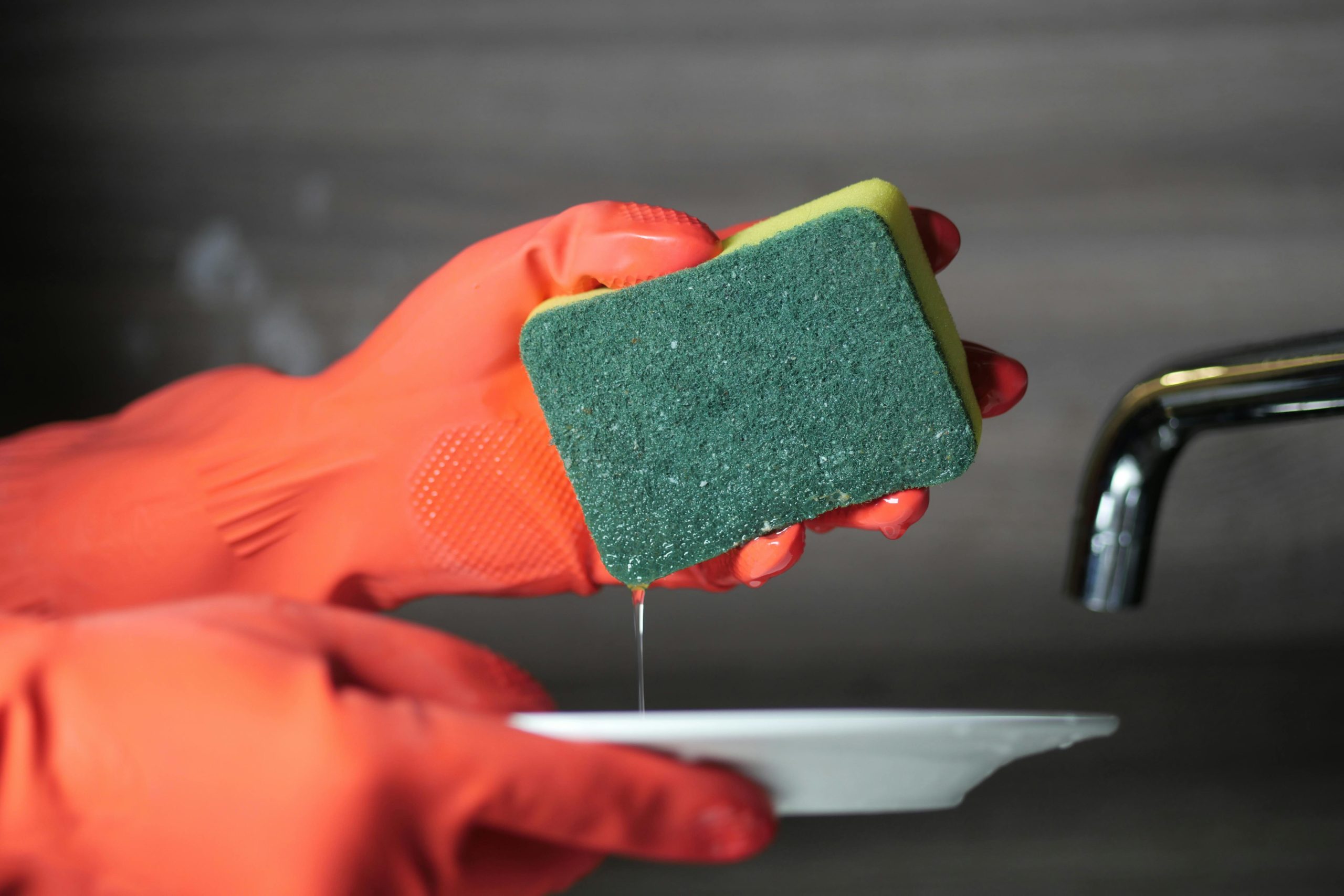
This is one of those home habits that feels normal until someone explains it. A worn sponge can hold odors, grease, and food residue, then spread that smell or film onto sinks, counters, and dishes. Even when the surface looks wiped, the kitchen may not feel fresh. A cleaner system works better than guessing. Replace sponges regularly, let them dry between uses, and avoid using the same sponge for raw food messes, counters, dishes, and sink grime. In a typical American kitchen, separating tools can make the space look and smell cleaner with less effort.
Forgetting Door Handles, Switch Plates, and Cabinet Pulls
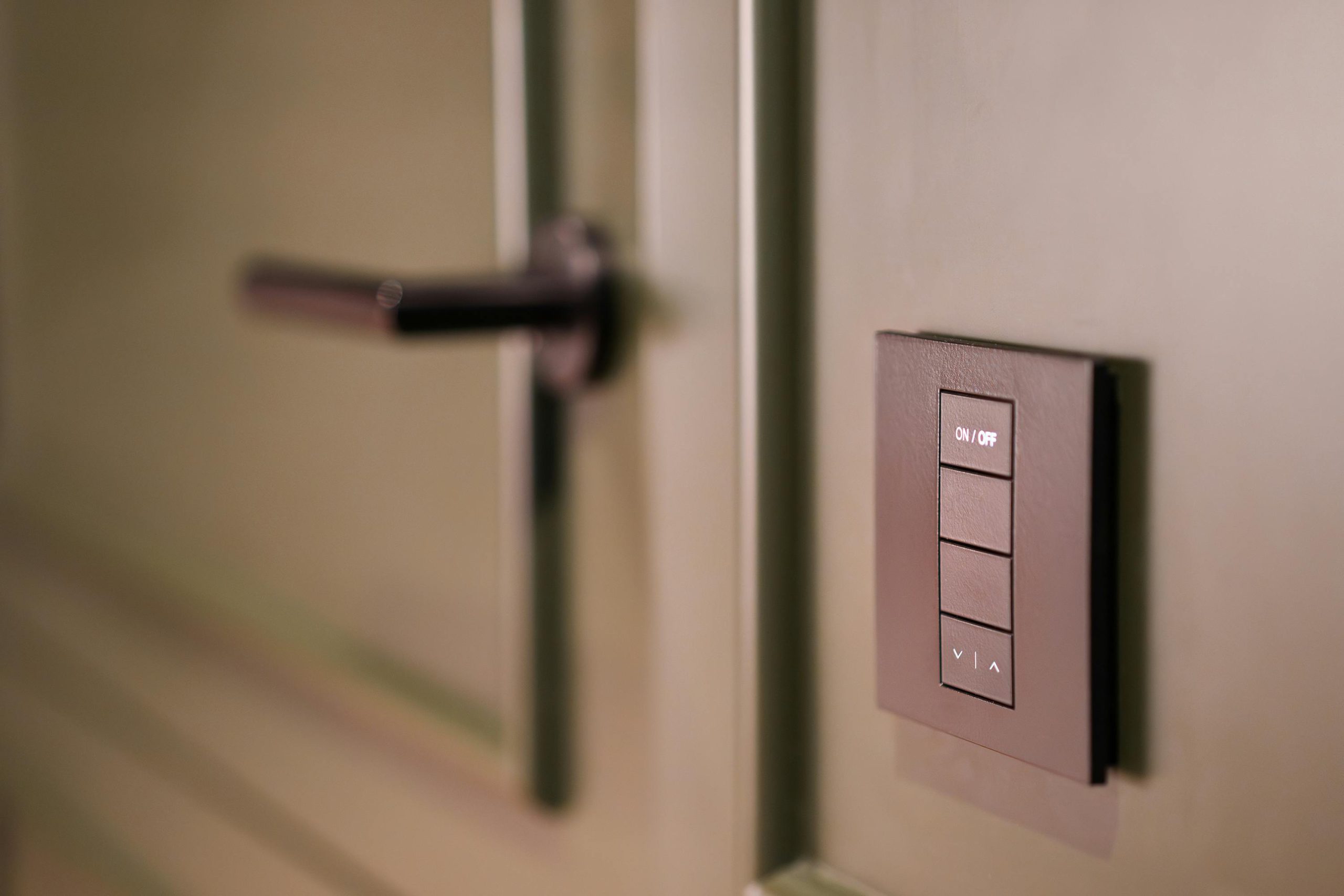
The smallest surfaces can create the dirtiest impression. Door handles, cabinet pulls, light switches, fridge handles, microwave buttons, and faucet handles get touched all day. When they are smudged, a room can look used and messy even if the floors and counters are clean. These spots matter because they sit exactly where people look and reach. A quick wipe of high-touch areas can make a kitchen, bathroom, laundry room, or hallway feel more polished. It is also one of the easiest finishing steps before visitors arrive.
Letting Entryway Dirt Spread Into the House
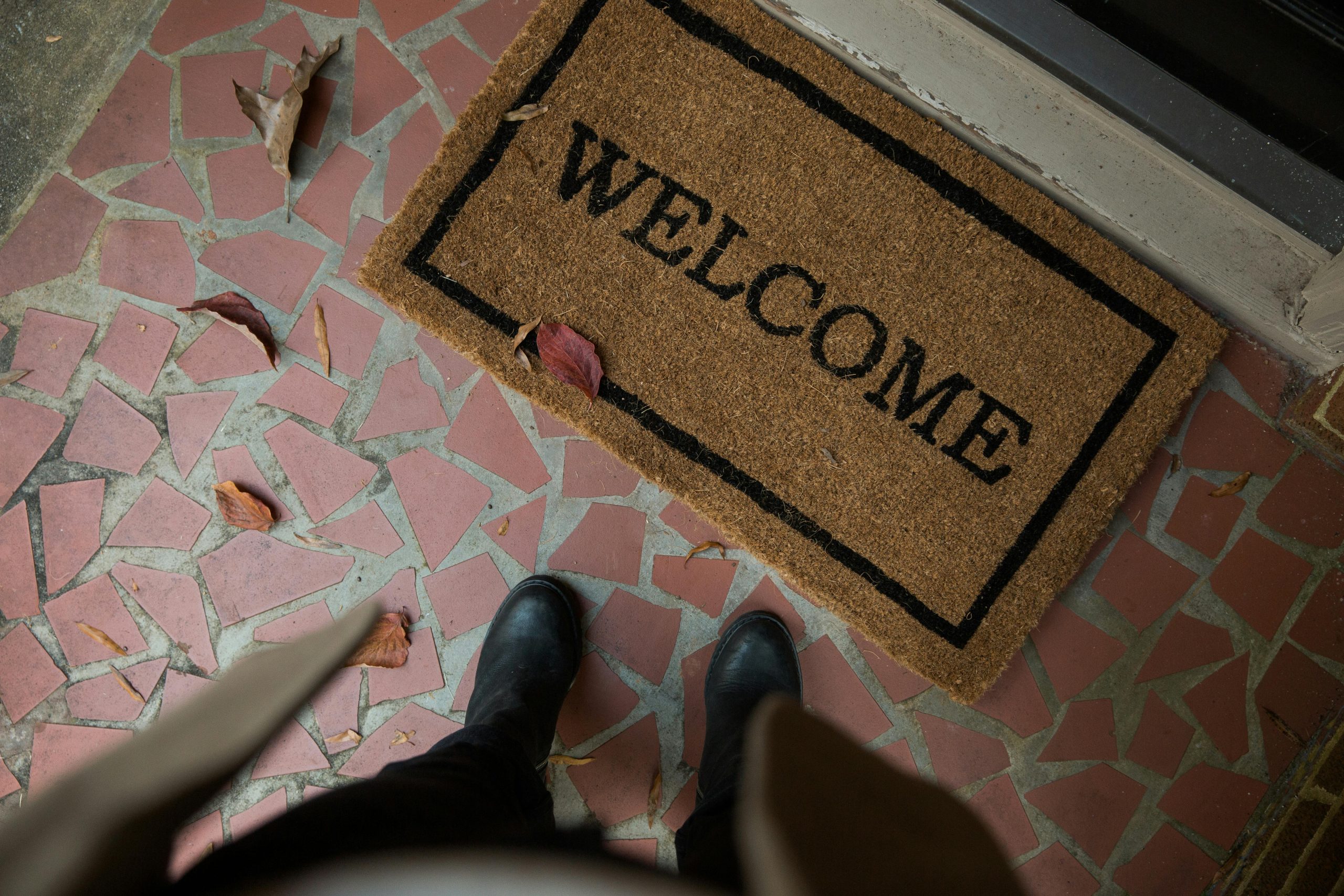
The mess often begins before anyone reaches the living room. Entryways collect driveway dust, leaves, road salt, grass, pet dirt, and small debris from shoes. If the mat is dirty or the shoe area is cluttered, that grit travels across floors fast. A stronger entryway routine can protect the rest of the home. Shake or vacuum mats, keep shoes organized, and clean the first few feet inside the door more often than the rest of the floor. During rainy days, snowy mornings, or backyard-heavy weekends, this small zone can decide how clean the whole house feels.
The Cleanest-Looking Homes Usually Fix the Hidden Finish Lines
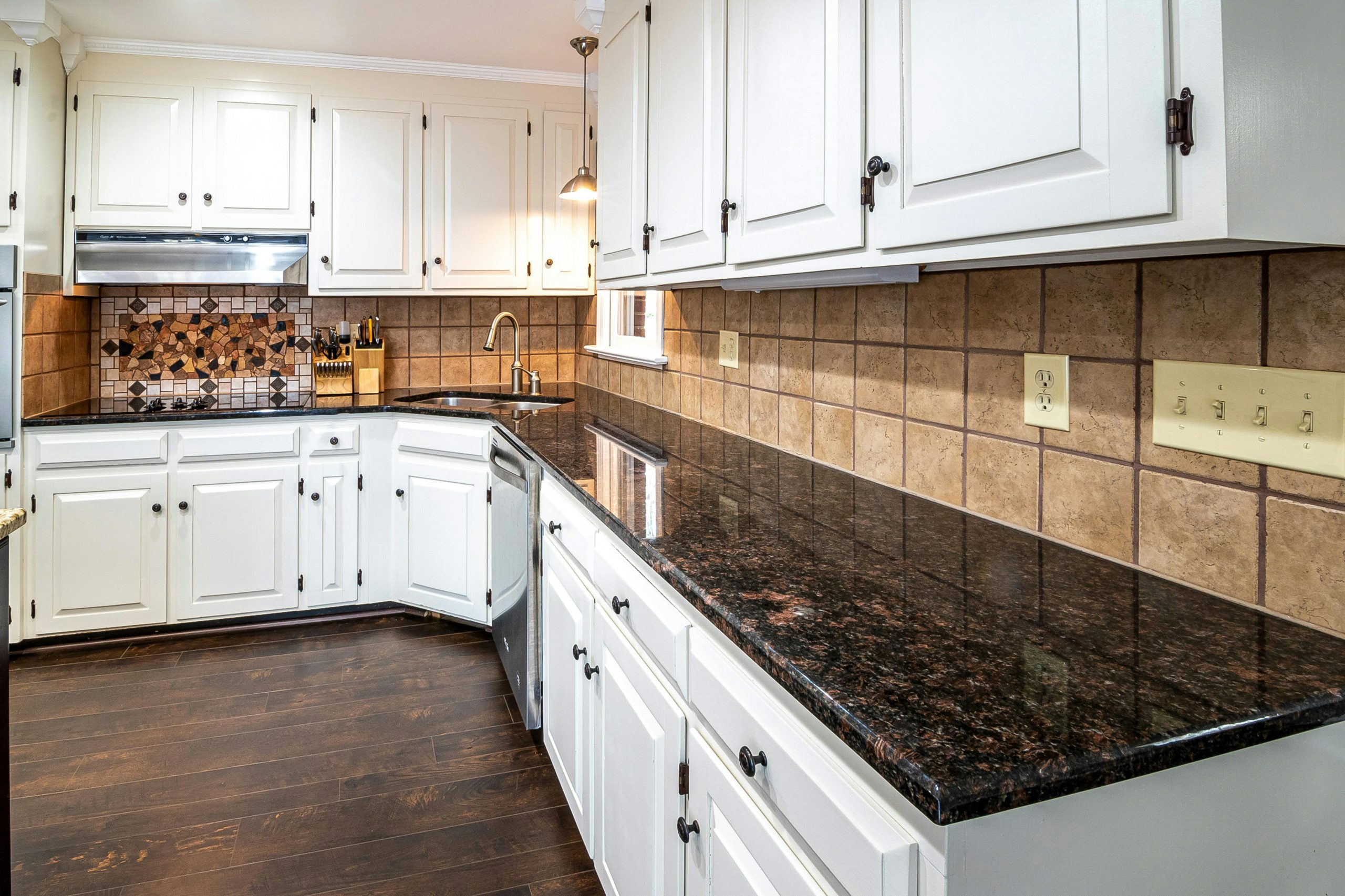
The real difference is often not a bigger cleaning day. It is noticing the small finish lines that make a room look done: streak-free surfaces, clean cloths, dust-free edges, fresh touch points, uncluttered counters, and hidden zones that no longer pull attention. These details do not require a perfect home. They just stop everyday mistakes from making a clean home look dirtier than it is. Once people start seeing these clues, the house becomes easier to read. The cloudy counter, dusty vent, sticky trash area, smudged handle, or dirty baseboard is not just a flaw—it is a signal. Fixing those signals can make a normal American home feel cleaner faster, with less wasted effort and fewer frustrating “I just cleaned this” moments.